This article was originally published in the Wisconsin Agriculturist
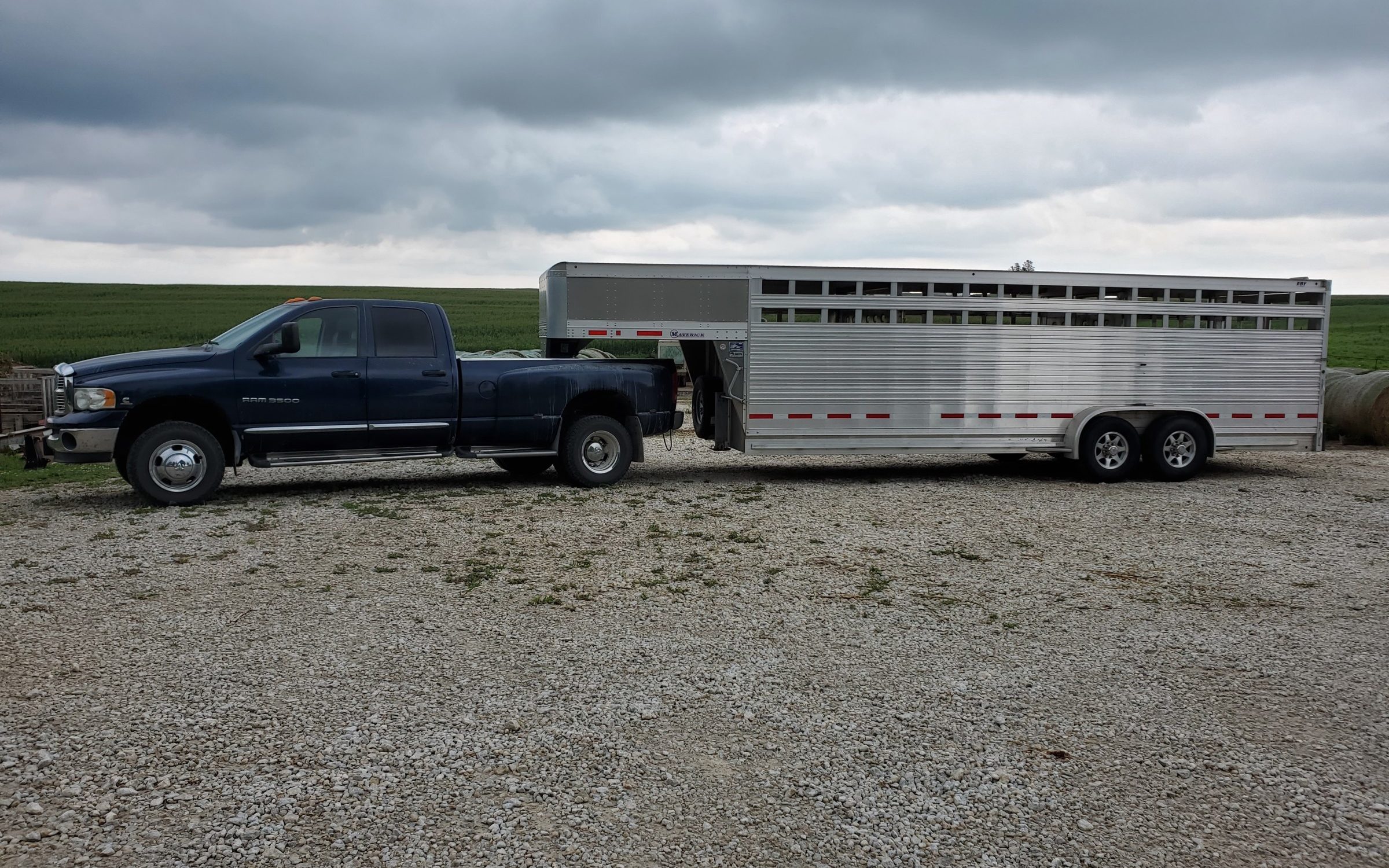
The frequency of hauling cattle varies from farm to farm. Some farms haul on a regular basis and others only a few times a year. In either situation, breaking down alongside the road — or even worse, in a traffic crash — while hauling cattle is not on anyone’s bucket list. Making time to inspect and maintain the truck and trailer prior to hauling will help reduce the risk of breakdowns and traffic accidents due to vehicle malfunctions. Being prepared results in lower stress for both humans and cattle.
A study done by the Federal Motor Carrier Safety Administration found that vehicle failure was the critical reason behind about 10% of truck crashes. However, maintenance issues were a contributing factor to many more. According to this study, maintenance issues contributed to nearly 40% of truck accidents. Some of the top contributing factors include failed brakes (29%), tire problems (6%) and improperly loaded trailer (4%).
A similar study by the National Highway Traffic Safety Administration identified tire- and wheel-related problems and brake problems as the top two critical reasons for crashes that were due to vehicle-related problems. This data is only from crashes. Details on leading causes of breakdowns are harder to find because official reporting usually does not exist. Of the limited information available, tires, brakes, electrical and overheating are listed as the most common reasons for ending up with a disabled vehicle alongside the road.
Reduce risk of breakdowns
Following are some considerations to help reduce the risk of breakdowns and crashes related to vehicle failure:
Because tires, wheel assemblies and brakes have been identified as the most common cause of breakdowns and crashes where vehicle failure was the critical factor, it is time well spent to check them on a regular basis.
Tires should have more than 2/32 of an inch of tread depth and should be replaced when that depth remains. Make sure truck and trailer tires are intended for hauling, towing and trailer use, and are not rated as passenger tires. Passenger-rated tires do not have the sidewall strength to get the job done.
Tires not only wear out and need replacement from regular use, but they also crack, dry-rot and become unsafe just from ageing. This can occur faster if they sit outside with direct sun exposure. Don’t forget to check the spare tire and make sure you can get to it, along with the jack and blocks, when the trailer is loaded.
Bearings and brakes may also deteriorate from age and sitting. Moisture is the No. 1 culprit, and results in water corroding and damaging bearings, brake parts and structural components. Because livestock trailers are often used in dusty, dirty environments, grit and sand can accumulate in unwanted places and damage bearings and brakes. Some larger trailers have onboard batteries as part of the braking system, and those also need to be checked to make sure they are working correctly.
Make sure the floor is clean and in good repair, and the lights, gates and latches all work as they are supposed to. The list for checking over the truck should also include checking the oil, coolant, radiator, hoses and battery condition before heading out.
It is common for the truck used to pull the trailer to do double duty as the grocery hauler and other chores. Wear happens during those easy tasks and can sneak up on us. That is why good maintenance and pre-trip checks are a must.