Publication ID: A3908-01
Introduction
Pastured poultry is a system of raising poultry for meat, eggs, or pleasure on a pasture management system. This publication will focus mainly on chickens, but the concepts are true for all types of poultry, such as ducks and turkeys. For producers with limited resources or for those who wish to raise poultry at home, the pastured poultry management system has both benefits and drawbacks.
Benefits of pastured poultry
- A process that can involve kids
- Low capital investment
- A production system that can start small and grow
- Can be a one-person operation
- Potential for extra income
- Increased soil fertility
Drawbacks of pastured poultry
- In general there are very few licensed poultry slaughter facilities
- Susceptible to predators
- Vulnerable to weather
- Pasturing is seasonal
- Requires daily labor, intensive labor if home processing
Pastured poultry systems
In any pasture poultry system, you will start your chicks out in a conventional brooding system and then move them out to one of three pasture systems when the brooding period is over.
Chicken tractor system
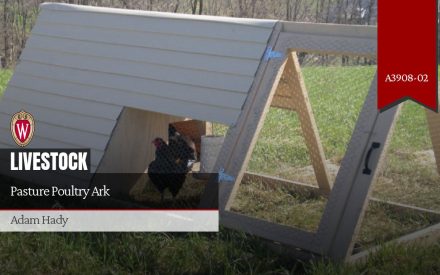
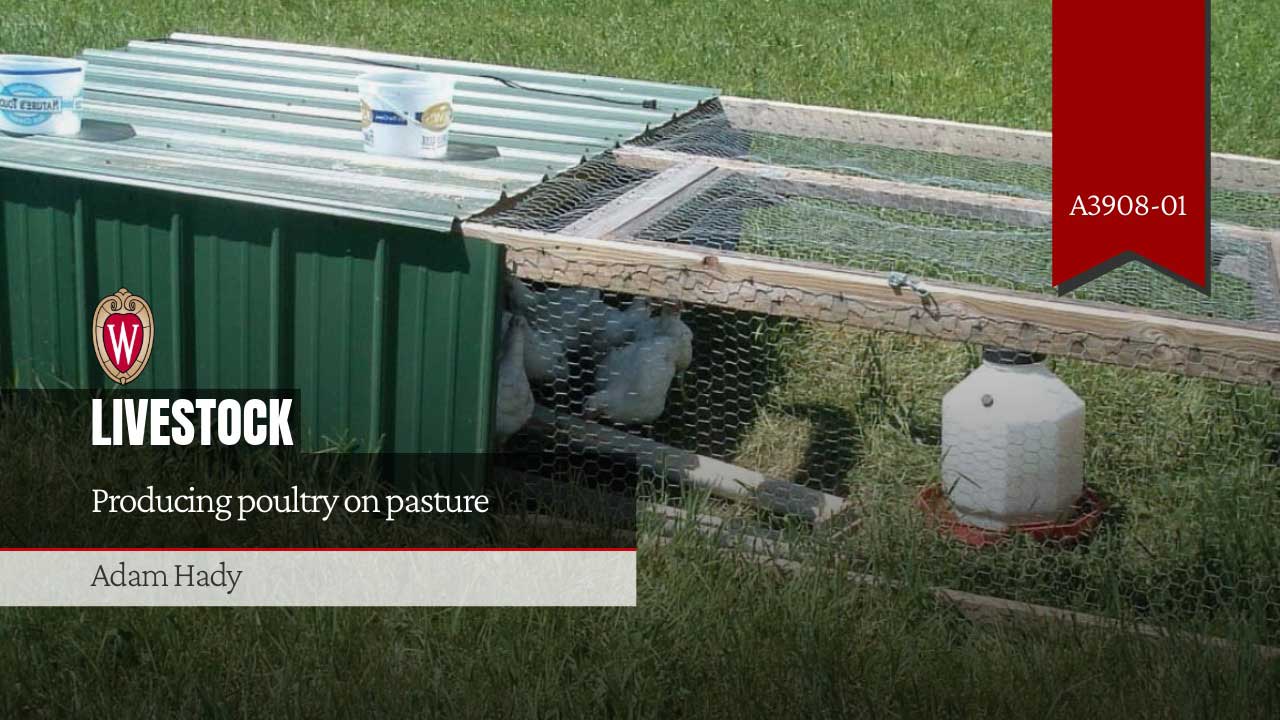
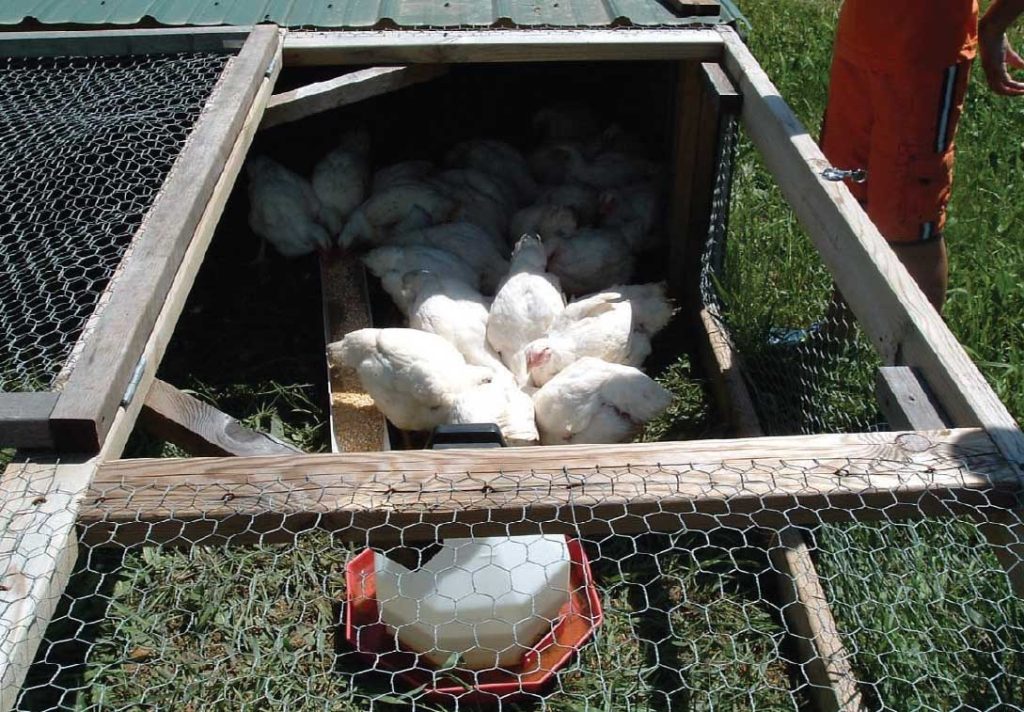
The chicken tractor system of pastured poultry is the most common system used for raising broilers. In this system, groups of birds about 3 to 5 weeks of age are taken out to movable growing pens on pasture. These usually floorless pens are moved once or twice a day, allowing the birds to have a regular supply of fresh vegetation (Figure 1).
Day ranging system
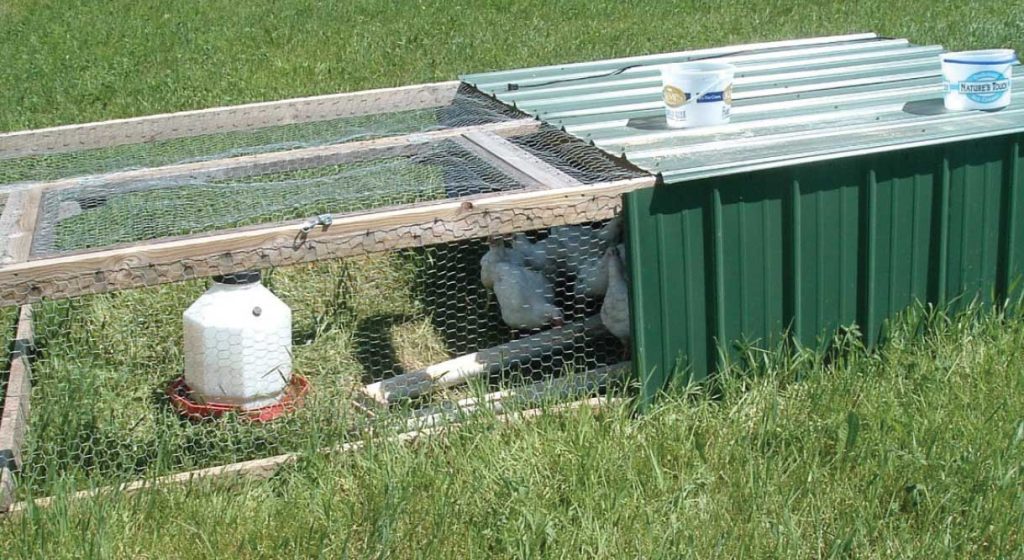
Day ranging is a system where birds are placed in a temporary yard with a semi-permanent pen and moved once or twice a week. Easy-to-move electro-netting is commonly used with this system. This netting, which is pre-manufactured with small metal wires woven into it so that it can be electrified, can be used for all types of poultry (Figure 2).
Free ranging system
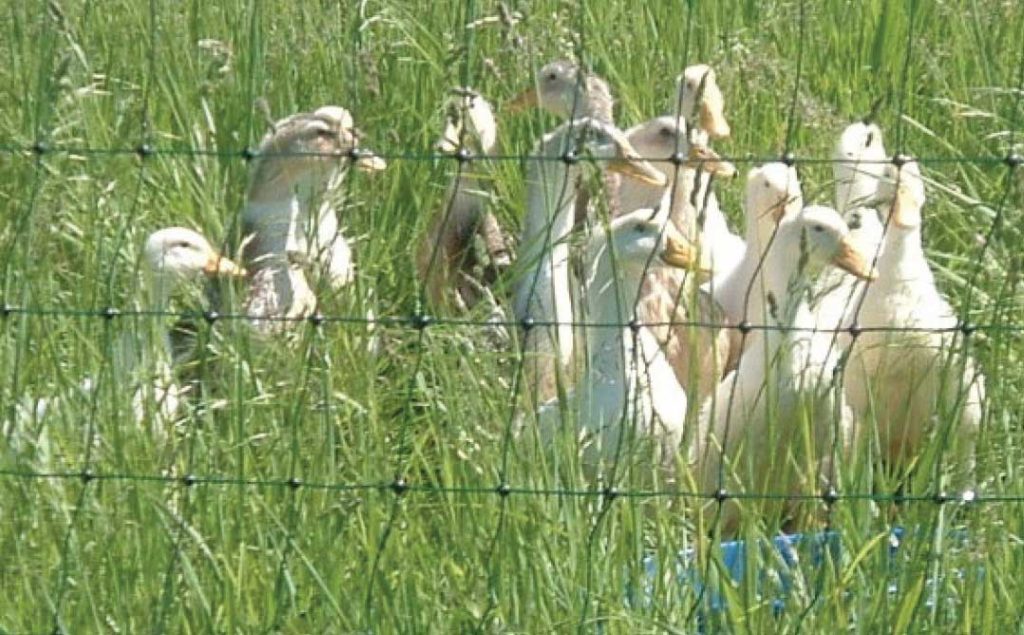
This is a system where the birds are allowed to roam free (Figure 3). In general, there is a permanent structure the birds are returned to during the evening. This is most common with egg-type chickens.
Pen design
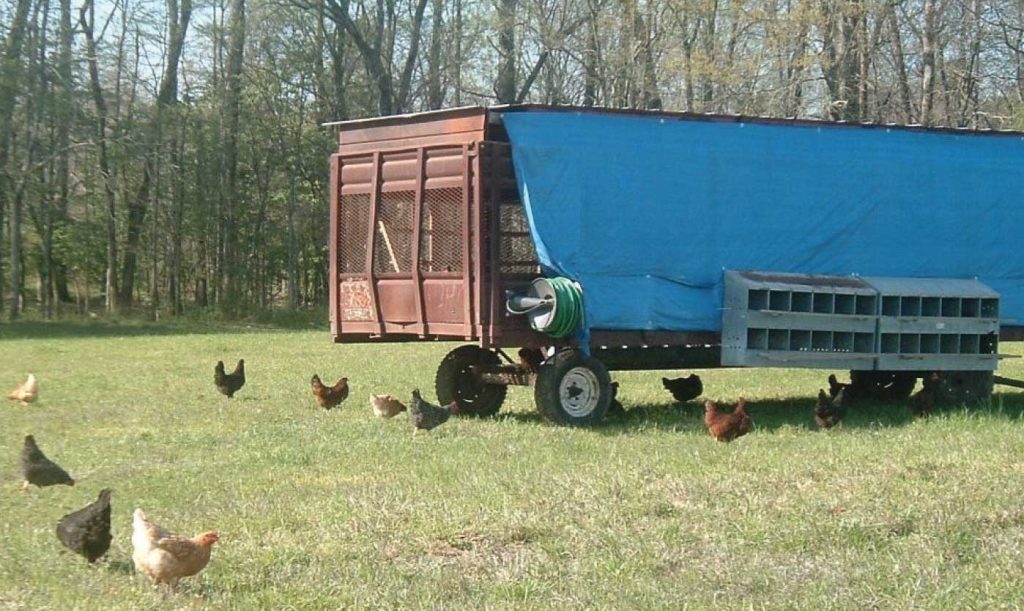
There are many pen designs available. When choosing a design, you should take the following into consideration:
Mobility: You’ll need to move your pens, so choose a design that is easy to handle and move.
Durability: How will the pen hold up to weather elements? Wind, heat, and cold are the major considerations when looking at a pen design and materials used to construct the pens.
Access: Make sure the design allows you to easily and efficiently access the pen for chores.
Cost/construction: You should be able to use relatively inexpensive materials and easily put the pen together.
Protection: The threat posed by predators is the main disadvantage of pastured poultry. Choose a pen design that will best protect your chickens.
Breeds of chicken
With many different breeds of chicken available, how do you know which will work best? It all depends on what you want your chickens to do.
If you are raising chickens for meat, the commercial meat strains have an economic advantage in growth rate and feed efficiency. The commercial meat bird is crossbred using genetics from the Cornish and Plymouth Rock breeds, giving them the name of Cornish Cross, Cornish Rock, or jumbo broiler. These birds will reach market weight on pasture at about 8 to 10 weeks of age. The disadvantage of commercial broiler is that they can get weak in their legs and that they are seen to be “lazy” and not as active as the heritage or dual-purpose breeds.
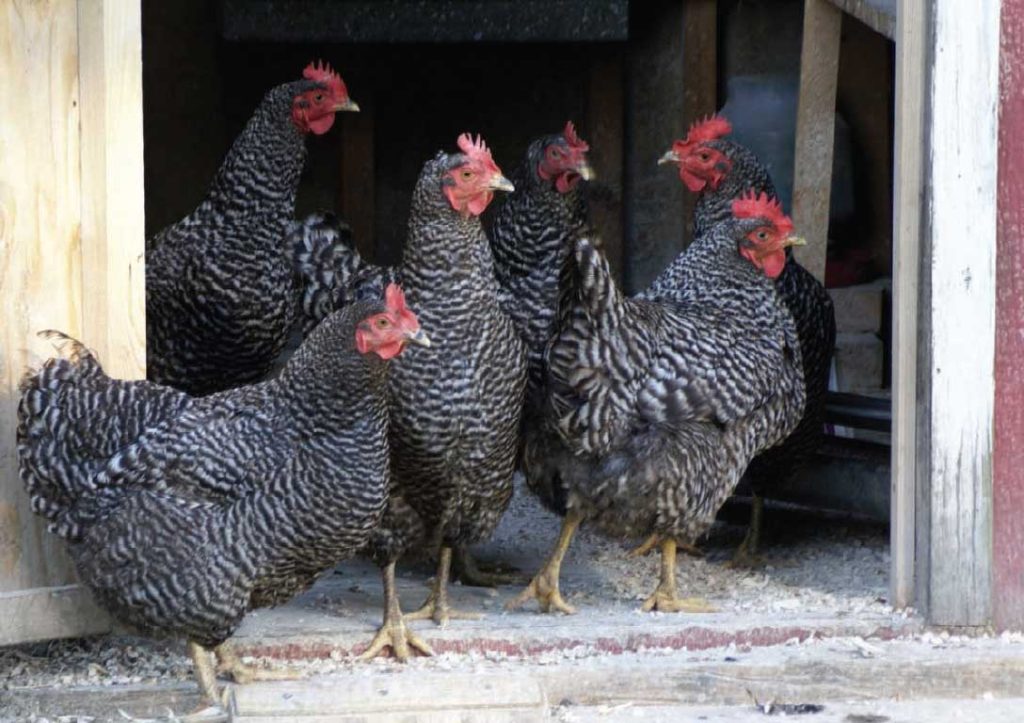
Breeds like Rhode Island Reds and Plymouth Rocks are popular in small farm situations. These birds, used both for meat and eggs, are known as dual-purpose breeds. Heritage breeds like the meatier dark Cornish chicken are finding a larger following, but they are not as good egg layers as traditional dual-purpose breeds. A further disadvantage of these birds is that these breeds take longer to grow out than commercial birds, not reaching their marketable weight until they are 16 to 20 weeks old. If you do choose to raise heritage breeds for meat, keep in mind that there may be differences in shape of the dressed bird and that they will have a slightly different flavor profile.
Feed requirements
Chickens will consume some grass on pasture, but this is only a small percentage of their diet. Concentrates supply most of the diet in a pastured poultry system. A wide variety of commercial feed mixes made from corn and soybean meal and supplemented with minerals and vitamins are available. Check all feed labels carefully: commercial feeds can be medicated or non-medicated, and the choice you make will affect how you are able to label your birds for market. If you are planning on developing a home recipe for chicken feed, consult a nutritionist or your local Extension office for guidelines.
Marketing
There are many ways to market pastured poultry for the table or as another meat product. Before you start, you should have a plan on how you are going to harvest and process your birds. If you plan to sell your birds, think about where you will sell them and how are you going to market them. Be sure to check with local authorities to find out what regulations or restrictions apply to selling poultry in your area.
With through planning and preparation, raising chickens on pasture can be a fun and rewarding endeavor.
Originally Published: July 2010
Author:
- Adam Hady – UW‑Extension Richland County agriculture agent