

Articles
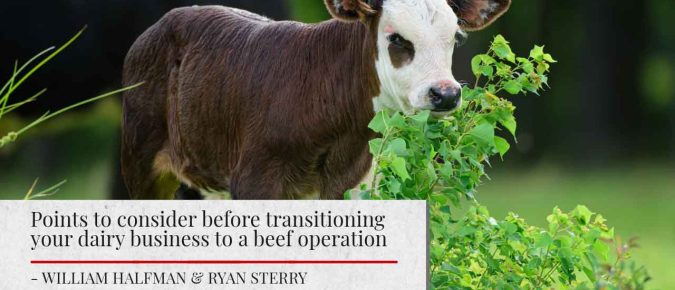
🎧 LISTEN: Points to consider before transitioning your dairy business to a beef operation
Creating beef-on-dairy calves can add additional revenue to your dairy operation, but if considering transitioning from a dairy operation to beef enterprise, there are several points to consider.
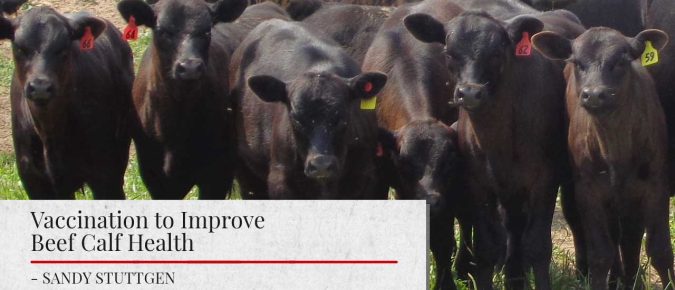
Vaccination to Improve Beef Calf Health
The goals for vaccinating beef calves are to protect the calf against potential disease-causing agents, to begin to provide protection for the calf’s entry into the adult herd or the feedlot, and to increase or at least maintain herd immunity.

▶️ Watch: Transitioning to Electronic Identification, what Wisconsin cattle producers need to know
UW-Madison Division of Extension Livestock Program facilitated a discussion on Oct 30, 2024, about official identification of cattle using electronic ID and the importance of livestock premises registration.
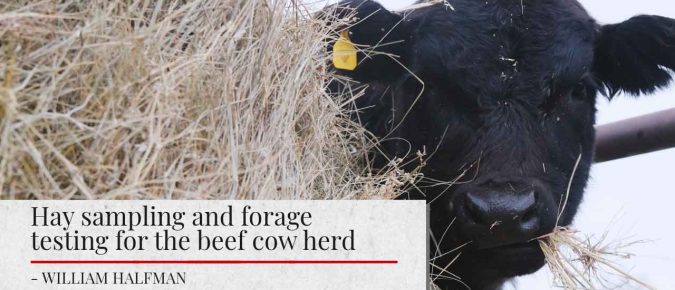
Hay sampling and forage testing for the beef cow herd
Getting hay harvested in a timely manner has been troublesome this year, resulting in an abundance of poor-quality forage.
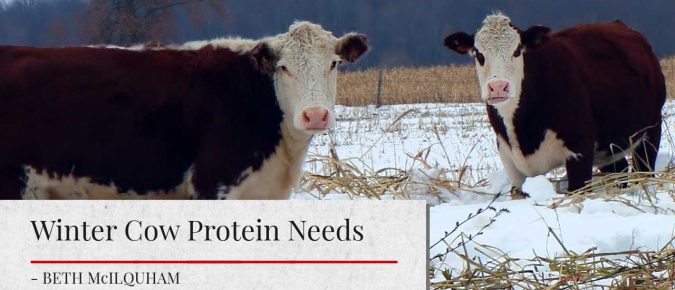
Winter Cow Protein Needs
To optimize cow productivity, evaluating nutrient levels in winter feed for cows is necessary.
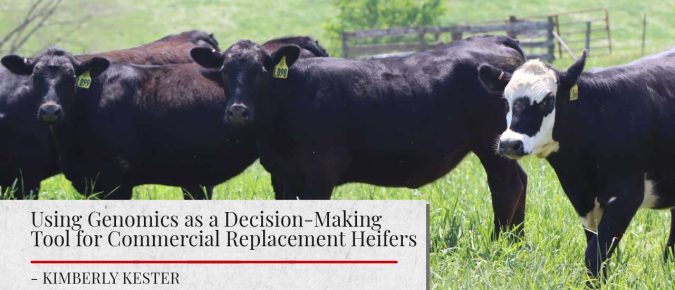
Using Genomics as a Decision-Making Tool for Commercial Replacement Heifers
Genomic testing can save beef producers time and money when deciding which heifers to retain within their herd. A comparison of two commercial heifers explains how to interpret genomic reports.
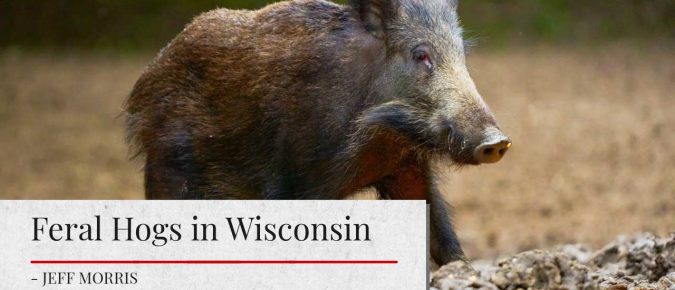
Feral Hogs in Wisconsin
Wisconsin has had only a few isolated feral hog sightings. However, we all need to do our part to make sure we keep this significant threat to our environment and agricultural operations under control.
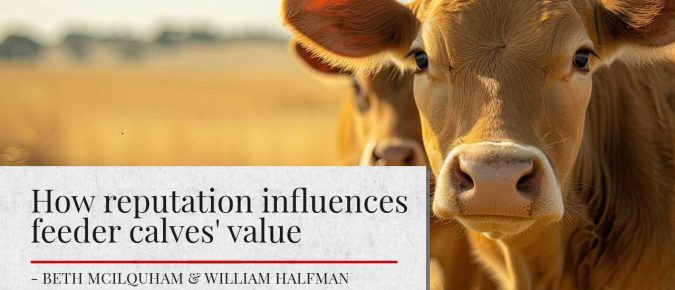
How reputation influences feeder calves’ value
Seller reputation is often included in discussions on traits that influence feeder calf prices. Yet, historically it has not had a value assigned to it as many other traits have.
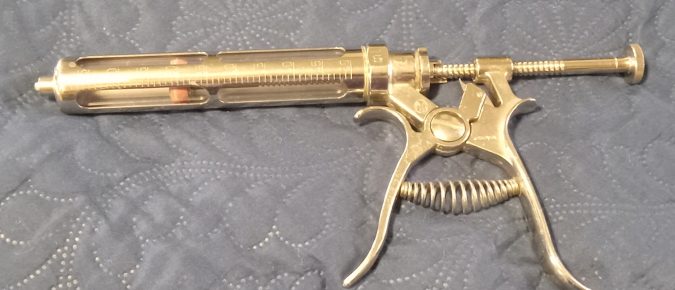
Vaccination to Improve Reproductive Health in Wisconsin Cow-Calf Herds
Reproductive diseases of concern for Wisconsin’s cow-calf herds include those caused by bacteria, protozoa, and viruses.
My Farm is Infected with a foreign animal disease (FAD), Now What?
You should contact your veterinarian early on as symptoms present, especially for something you have a negative gut feeling about. The odds of successfully returning the animal to health are improved the earlier it is correctly diagnosed and treated.