Moraxella bovis is the bacteria responsible for summer pinkeye. Research has identified a non-summer pinkeye that is associated with carrier animals and its lesions do not need physical trauma or summer flies and UV light to precipitate them.
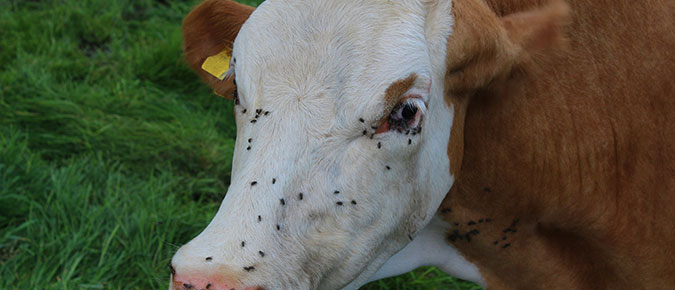
We often think of pinkeye as only a summer problem; and in Wisconsin, July-August is a key time to be watchful for the contagious pinkeye that develops in response to eye irritation from UV light and physical eye irritation from mature grass/seed heads, blowing dust/sand and flies, primarily face flies.
Preventing traditional summer pinkeye in cattle involves eliminating the many eye irritations listed in this report. Identifying and taking steps to resolve physical hazards in your operation, including face fly control, may be more effective than pinkeye vaccinations.
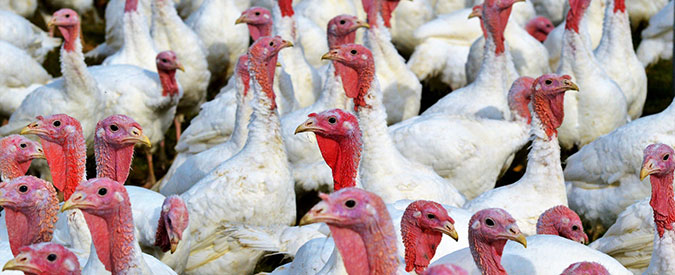
Avian influenza is caused by a virus. It is not uncommon for wild birds (esp. waterfowl and shorebirds) to carry this virus. As these birds migrate, influenza can spread long distances quickly.