- A carcass is comprised of lean (meat), fat (adipose), and bone
- Feet, blood, and viscera are not parts of a carcass
- Carcass cutting yield is just one factor that influences the amount of take-home product
- Pork purchased from locker plants is typically sold as whole or halves
Dressing Percentage
To better understand the amount of meat you may expect from a market hog, the first step is understanding the difference in live weight compared to carcass weight. When a market hog is harvested certain parts of the animal such as the feet, blood, and viscera (internal organs) are removed. The remaining bone, adipose (fat), and lean (meat) makes up the post-harvest hanging weight (hot carcass weight). Dressing percentage is the percentage of meat and bone on the animal compared to its live weight and is influenced by many factors such as muscle score and fat cover to name a few (Table 1).
Dressing Percentage = (Carcass weight/Live weight)*100
Table 1
| Dressing Percentage Factors | |
| Factor | Dressing Percentage (%) |
| Conventional fed, market barrow (male) | 70-75 |
| Gilt (female) | Lower |
| More gut fill | Lower |
| Free range | Lower |
| Skin remaining | Higher |
| Head remaining | Higher |
| Heavier muscled | Higher |
| More condition (fat) | Higher |
Locker plants have variable methods of harvesting hogs. Some processing plants will remove the skin and leave the head for the chilling process and others may remove the head and leave the skin. The different methods will impact carcass weight and dressing percentage but will not impact the amount of edible lean.
Carcass Fabrication
During carcass chilling and fabrication, some carcass weight will be lost from the hanging, boning, and trimming process. The percentage of carcass weight remaining as “take-home” retail meat cuts is called the carcass cutting yield.
Chilled Carcass Weight * Carcass Cutting Yield = pounds of “take-home meat”
Carcass cutting yield is variable and depends on the carcass’s fat thickness (leaner carcasses increase yield), muscling (increases yield), and the amount of bone-in versus boneless retail cuts (boneless decreases yield). (Table 2).
Table 2: Average Carcass Cutting Yield
| Cut Type | Average Cutting Yield |
| Bone-in retail cuts | 74% |
| Boneless closely trimmed retail cuts | 65% |
Requesting closely trimmed and boneless chops and roasts and ground pork/sausage will result in less pounds of take-home product because the excess fat and bone will be removed. This may be advantageous depending on freezer space availability and eating preferences. It is important to understand that the amount of edible lean will be the same regardless if the retail cuts are boneless or bone-in.
Choosing to bring home organ meats such as liver, heart, and tongue will also influence the pounds of meat product you take-home, increasing your cutting yield.
It is important to note that even though trim carcasses have an increased carcass cutting yield, pork carcasses that are too trim can have negative consequences such as poor belly quality (bacon) and lack of tenderness.
Understanding Primal vs Retail Cuts
A whole pork carcass is first divided into 6 distinct primal cuts (Figure 1). Each primal cut is then further fabricated into different retail cuts. For example, the loin may be broken down into rib, loin, butterfly, and sirloin chops/roasts. The shoulder (Boston butt and shoulder picnic) could be broken into arm steaks, blade chops and a shoulder picnic. Ground pork and sausage comes from trimmings of multiple primal cuts throughout the carcass.
Figure 1. Pork Primal Cuts
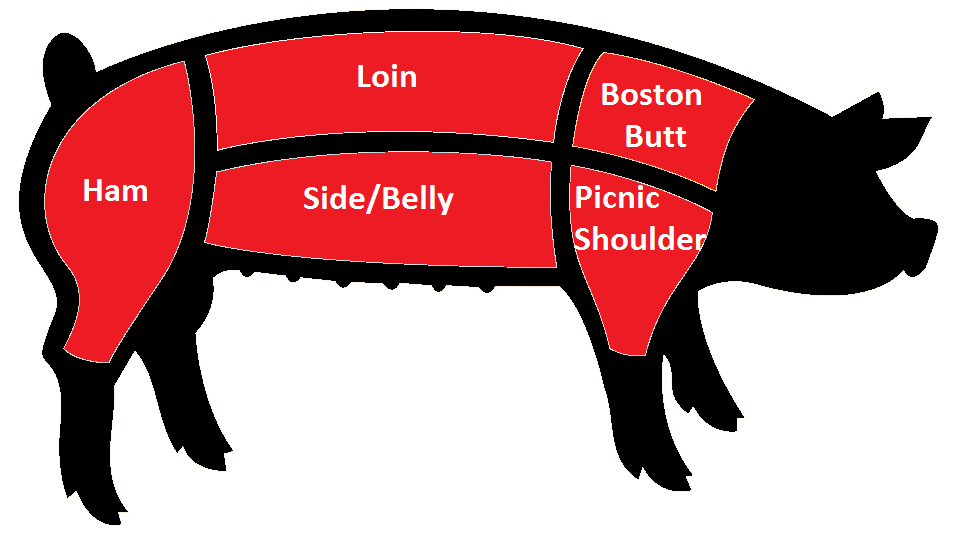
Table 3: Approximate Cut Out Weight per Primal Cut
| Primal Cut | % Cut Out Weight | Possible Retail Cuts from each Primal Cut |
| Boston Butt | 10% | Arm and blade chops/roasts |
| Shoulder Picnic | 11% | Smoked picnic |
| Loin | 25% | Rib, loin, sirloin chops/roasts |
| Side/Belly | 21% | Spareribs and bacon |
| Ham | 25% | Ham and center slice |
Further Processing
Seasoning can be added to ground pork to make sausage. Ground pork can also be further processed and stuffed into various casings to make sausage links, summer sausage, bratwursts, and ring bologna to name a few. Fresh chops and roasts can be cured/smoked by injecting a brine and allowing the cuts to slowly cook at a set temperature and humidity. It is common practice to cure/smoke the hams and belly (bacon).The loin and shoulder can also be smoked to fit the consumer’s preferences.
Purchasing Locally Raised Pork
Many farmers and locker plants sell pork by halves or whole hog. When buying a half a hog that is exactly what you will get. Once a hog has been harvested the carcass is split down the spine into two halves for easier storage in the cooler for the chilling process. When determining roughly how much meat you should expect from half of a hog, take the pounds of meat previously calculated for the entire carcass and divide by two.
Example Meat Yield Calculations
- Live weight x typical dressing percent = hot carcass weight
250 lb x 70% = 175 lb
- Hot carcass weight x (100 – shrink) = chilled carcass weight
175 x (100% – 3.5%) =169 lb
- Chilled carcass weight x carcass cutting yield percent = pounds of take home product
169 lb x 67% = 125 lb
Freezer Space
To ensure you have enough freezer space for your pork keep in mind that 35-40 pounds of retail product should fit in one cubic foot of freezer space. This may vary depending on bone-in versus boneless cuts or any odd shaped packages of meat.
For More Information
Contact your local Extension Educator; Wisconsin Department of Agriculture, Trade and Consumer Protection; or Wisconsin Pork Association.
References
Aberle, Elton David. Principles of Meat Science. 4th ed., Kendall/Hunt. 2001.
National Pork Board ad EMI Analytics. (2017, August15) Pork Checkoff. Typical Market Pig Today. Retrieved from pork.org/facts/stats/consumption-and-expenditures/typical-market-pig-today/ Access Date: August 27, 2020
Ray, Federick K. Buyig Beef for Home Freezer.Oklahoma Cooperative Extension Service AnSi-3401. Print. Access Date: July 16, 2020.
Rentfrow, Gregg. How Much Meat to Expect from a Carcass a Consumer’s Guide to Purchasing Freezer Meats. University of Kentucky College of Agriculture Cooperative Extension Service ASC-179. Print. Access Date: July 23, 2020
Thiboumery, Arion; Kristine Jepsen; and Kristi Hetland. 2013. Beef and Pork Whole Animal Buying Guide. Iowa State University Extension and Outreach. Print. Access Date: June 10, 2020.