Skip to content
UW Crest

Livestock

Division of Extension

  • Topics
    • Meat
    • Beef
    • Beef x Dairy
    • Poultry
    • Swine
    • Small Ruminants
    • Decision Tools and Software
  • 🗓️ Livestock Events
    • Event Calendar
    • Driftless Region Beef Conference
    • Farm Ready Research
  • News
  • Programs
    • Beef Roundup Webinar Series
    • Master Meat Crafter Training Program
    • Small Ruminant Webinar Series
    • Wisconsin Youth Livestock
  • Articles
  • People
  • About
    • Our Impacts
  • Contact Us
Search
University of Wisconsin-Extension

Beef

Information about raising all types of beef in Wisconsin: production and business management, beef quality assurance, housing, well-being, nutrition, and reproduction.


Focus your search

" "
Climate & Heat Stress
" "
Equipment & Facilities
" "
Finances & Budgets
" "
Genetics & Reproduction
" "
Health & Biosecurity
" "
Meat Production
" "
Nutrition & Feeding
UW-Crest


Articles

Fall Pasture Weed Control

Fall Pasture Weed Control

If your pastures have an abundance of biennial or perennial weeds like spotted knapweed, wild parsnip, thistles, Canada thistle, and horsenettle, then fall is a good time to get a handle on these tough to control weeds.

Castrating Beef X Dairy Calves

Castrating Beef X Dairy Calves

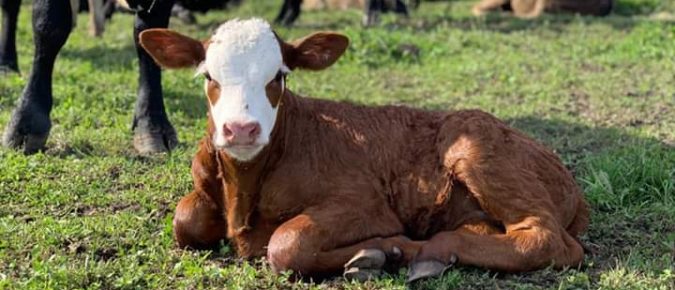
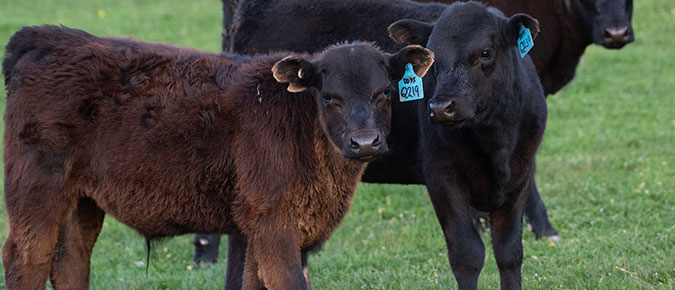
There are various castration methods, and it is recommended that castrations be performed in calves at the youngest age possible, preferably within three months of age. Using a proper castration procedure on a young calf can add more beef value at the time of marketing.

Disbudding Calves

Disbudding Calves

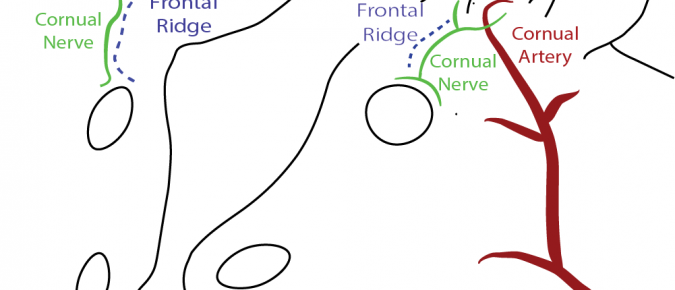
Horned cattle are discounted in beef markets. Using polled genetics is the best way to avoid having to remove horns. Beef genetics are often polled, but cross breeding with dairy cattle may result in horns. Monitor beef or beef x dairy crossbred calves during their first six weeks of life for the growth of horn buds and disbud immediately as they are identified.

What is Included in a Preconditioning Program?

What is Included in a Preconditioning Program?

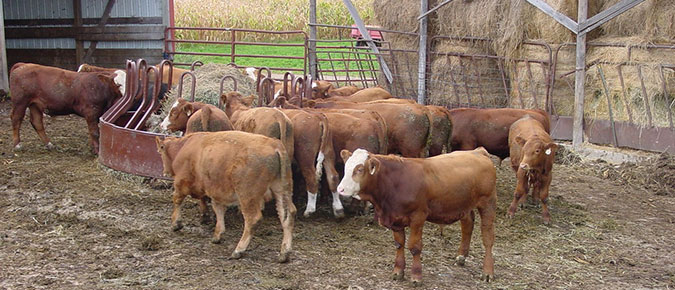
Respectable preconditioning programs focus on health AND nutrition. The goal of these programs is to help calves succeed during their next phase of production at the feedlot, stocker, or heifer development facility.

How much meat should a beef animal yield?

How much meat should a beef animal yield?

The UW-Madison Division of Extension provides resources to better understand and calculate the amount of meat to expect from a finished animal.

Do You Have Enough Forage? Four Steps to Figure Forage Inventory

Do You Have Enough Forage? Four Steps to Figure Forage Inventory

Now is the time, before the snow flies, to take inventory of your farm’s forage supply and determine how well it meets the herd’s needs. Knowing your feed inventory and needs early allows you to purchase now, rather than wait to purchase during the winter when forages are usually priced higher.

Pinkeye Vaccination Programs

Pinkeye Vaccination Programs

Moraxella bovis is the bacteria responsible for summer pinkeye. Research has identified a non-summer pinkeye that is associated with carrier animals and its lesions do not need physical trauma or summer flies and UV light to precipitate them.

Prevent Pinkeye by Controlling Face Flies

Prevent Pinkeye by Controlling Face Flies

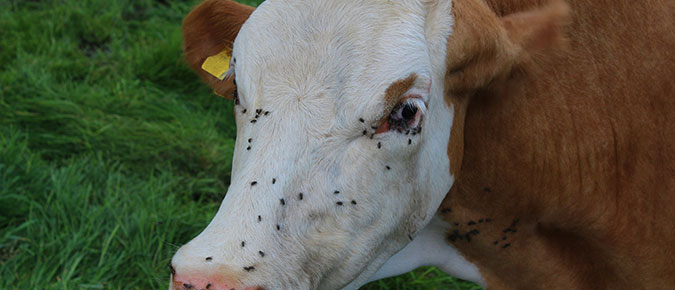
We often think of pinkeye as only a summer problem; and in Wisconsin, July-August is a key  time to be watchful for the contagious pinkeye that develops in response to eye irritation from UV light and physical eye irritation from mature grass/seed heads, blowing dust/sand and flies, primarily face flies.

Managing and Preventing Pinkeye

Managing and Preventing Pinkeye

Preventing traditional summer pinkeye in cattle involves eliminating the many eye irritations listed in this report. Identifying and taking steps to resolve physical hazards in your operation, including face fly control, may be more effective than pinkeye vaccinations.


Market for profit or market on price?

Market for profit or market on price?

Marketing is an active process including: research, advertisement, promotion and sale.  Becoming a profit-controller and not a price-taker is the main goal for improving marketing skills.  Going through the process of forming a marketing plan can be beneficial.  A marketing plan, which is developed to be strategic and not just convenient, will work to create a value added product.

Posts navigation

Posts pagination

â—„ Page 1 … Page 7 Page 8 Page 9 Page 10 Page 11 Page 12

Division of Extension

Connecting people with the University of Wisconsin

  • Agriculture
  • Community Development
  • Health & Well-Being
  • Families & Finances
  • Natural Resources
  • Positive Youth Development

Agriculture at Extension

  • Animal Sciences
  • Crops and Soils
  • Dairy
  • Farm Management
  • Horticulture
  • Discovery Farms
  • Master Gardener
University of Wisconsin-Madison      |        Explore Extension: Agriculture Community Development Families & Finances Health Natural Resources Youth
Connect With Us
Support Extension
Extension Home

We teach, learn, lead and serve, connecting people with the University of Wisconsin, and engaging with them in transforming lives and communities.

Explore Extension »

County Offices

Connect with your County Extension Office »

Map of Wisconsin counties
Staff Directory

Find an Extension employee in our staff directory »

staff directory
Social Media

Get the latest news and updates on Extension's work around the state

facebook iconFacebook

twitter icon Follow on X


Facebook
Follow on X

Feedback, questions or accessibility issues: info@extension.wisc.edu | © 2026 The Board of Regents of the University of Wisconsin System
Privacy Policy | Non-Discrimination Statement & How to File a Complaint | Disability Accommodation Requests

The University of Wisconsin–Madison Division of Extension provides equal opportunities in employment and programming in compliance with state and federal law.