Est. read time: 4 minutes How to boost second-calf success in young beef cows Introduction How to manage for long-term productivity Nutritional management for young cows Take a look at breeding decisions Summary Return to Top Introduction Reproduction is key to profitability in beef cow-calf operations. When cows fail to conceive and calve on a […]
Iowa State’s Dr. Randie Culbertson breaks down the essentials of herd expansion. Learn how to strategically balance genetics and reproduction to build a more resilient, profitable cow-calf operation when rebuilding your herd.
By helping cows stay clean and dry, especially during their last trimester, beef producers can expect better and more productive cow-calf pairs this spring.
Post-breeding management is crucial, but often overlooked in a heifer development program.
When selecting synchronization protocols, farmers should consider their performance goals, labor, and handling facilities.
Esta hoja informativa le ayudará a asistir al ternero y a la vaca en su recuperación tras un parto difícil (distocia). Proporcionar cuidados después del parto tras una distocia marca una gran diferencia para la madre y su ternero.
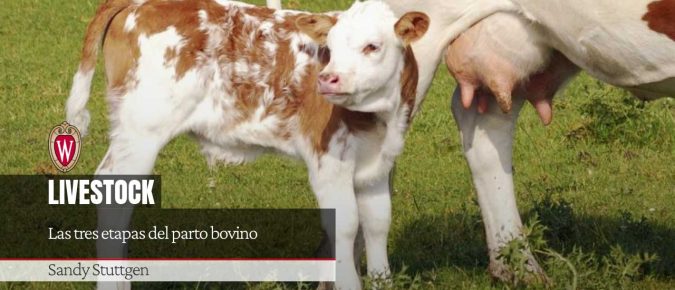
El proceso de parto consta de tres etapas: dilatación del cuello uterino, parto del ternero, y la expulsión de la placenta.
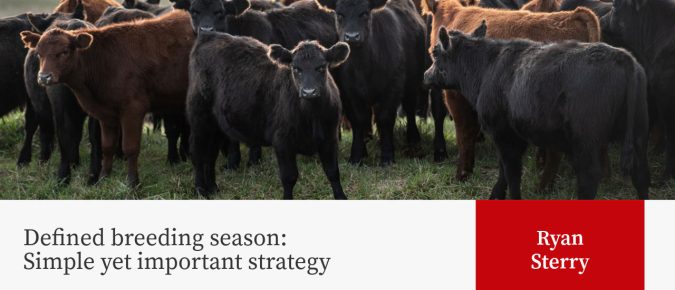
Having a set breeding season is crucial for cattle producers. But determining the ideal length of that season for your herd can be complicated.
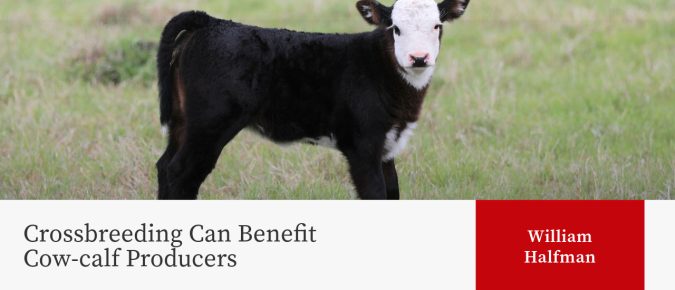
Crossbreeding is overlooked as a tool that has many benefits for beef producers to improve herd productivity. A well-planned crossbreeding program leads to improvements in both the calf crop and the lifetime of momma cows compared to straight bred cows.
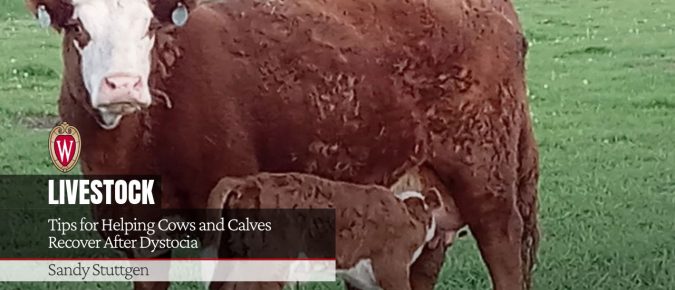
While other articles discuss when and how to deliver calves, this one helps you assist the calf and cow in recovering from a difficult calving (dystocia). Providing post-calving care following dystocia makes a huge difference for the dam and her calf.