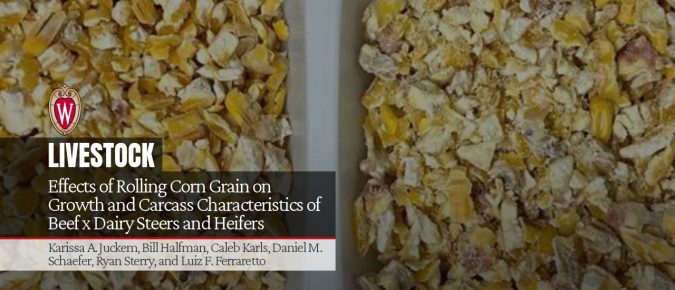
Effects of Rolling Corn Grain on Growth and Carcass Characteristics of Beef x Dairy Steers and Heifers
Rolling corn for beef × dairy cattle improved starch digestibility and feed efficiency without affecting growth performance or carcass quality.
Division of Extension

Proper nutrition involves providing a balanced diet to meet the energy, protein, vitamin, and mineral requirements of beef cattle to promote growth and health.
Rolling corn for beef × dairy cattle improved starch digestibility and feed efficiency without affecting growth performance or carcass quality.
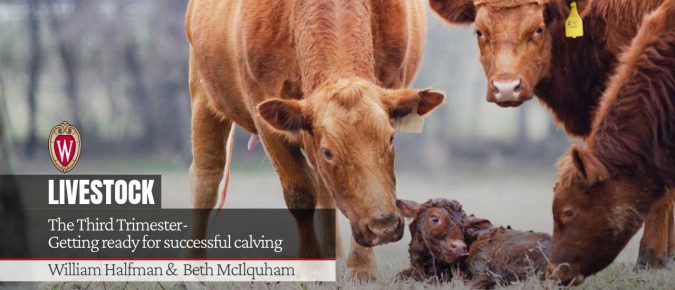
Management of the cow herd during the third trimester has implications for both the cow and the calf. This article looks at some of the challenges, potential negative outcomes, and importance of good management during this time.
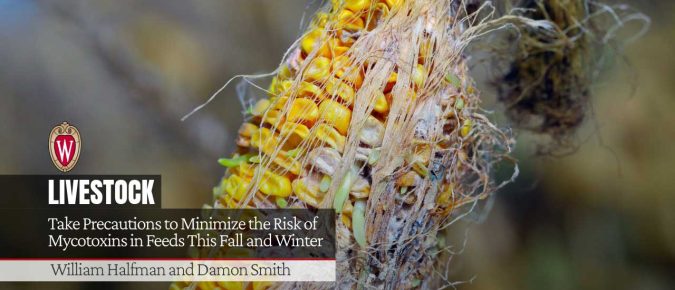
With the high levels of disease observed in many corn fields comes questions on potential problems with toxins in the feed including corn silage, grain, and utilization of the corn stalks after grain harvest for beef cattle.
Now is the time to evaluate your forage inventory and compare it with the herd’s expected feed needs.
This article was originally published in Farm Progress It’s no secret that weaning is arguably the most stressful time in a beef calves’ life. Calves build strong maternal bonds with their mothers over the 6+ months they are tagging along until they are weaned. Weaning can be done a variety of ways, but the ultimate […]
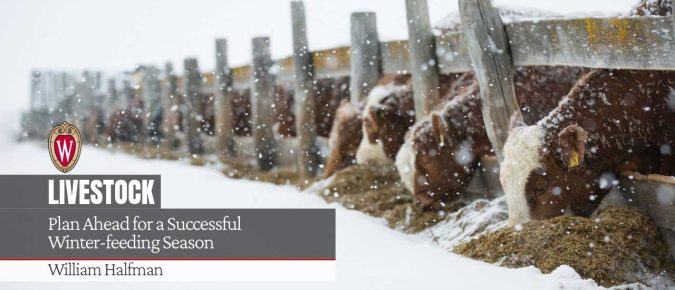
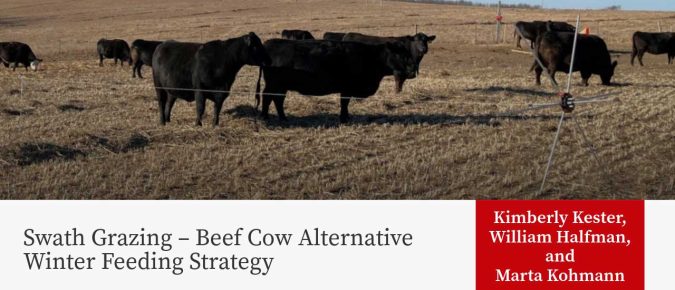
Planning for winter feed is an important step in beef cattle operations. Alternatives include stockpiling, corn stalk grazing, and bale grazing. Swath grazing (also known as windrow grazing) has recently gained interest as an additional option.
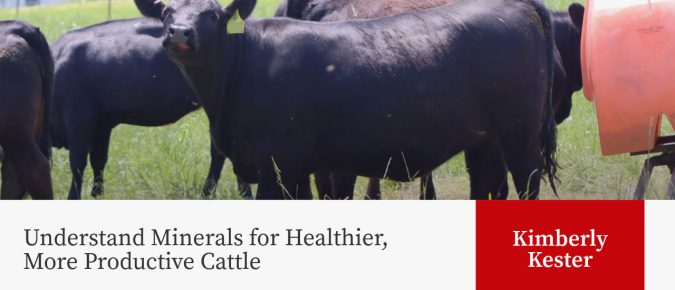
Cattle need both macrominerals and microminerals. Here’s a look at the benefits these supplements provide and the different ways they can be offered to the herd.
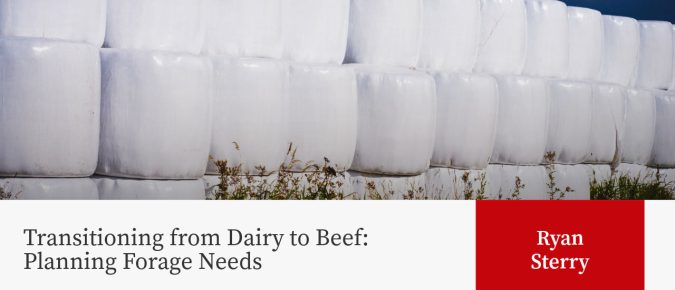
Considering a shift from dairy to beef? Learn how forage needs, land use, and cow nutrition differ across beef enterprises.
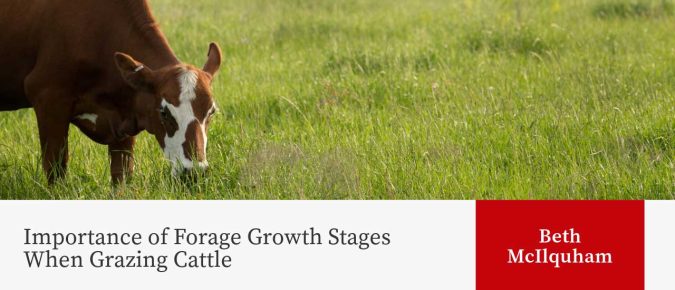
Grazing cattle sounds so simple. The forage grows, the cattle eat the forage, and it all ends with a “happily ever after.” Unfortunately, it’s not as simple as it sounds. To maximize cattle performance while grazing, producers must pay attention to the forage itself and how it can affect the grazing animals.
In 2023, a grazing farmer network in northwestern Wisconsin was asked to identify the greatest needs for research. At the top of their list was the practice of winter bale grazing. We designed a research project that sought to answer some of their questions about the practice.