Seasonal Lice Activity in Cattle: When and How to Treat
Cattle and lice can co-exist when lice don’t get the upper hand. Closely observe your cattle during the winter and quickly (and effectively) treat to reduce production losses for your cattle.
Division of Extension

Ensuring cattle health through vaccinations, disease prevention, and biosecurity measures to protect against pathogens and pests.
Cattle and lice can co-exist when lice don’t get the upper hand. Closely observe your cattle during the winter and quickly (and effectively) treat to reduce production losses for your cattle.
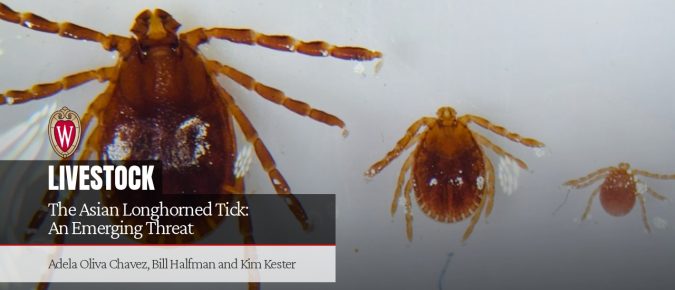
The Asian longhorned tick is an invasive species spreading toward Wisconsin and threatening cattle health. It can reproduce rapidly, cause heavy infestations, and transmit Theileria orientalis, a disease that leads to anemia, reduced productivity, and death. This article reviews the risks and outlines steps producers can take to protect their herds.
Information about the Asian Longhorned Tick and Theileriosis, their potential impact on cattle in Wisconsin, prevention and treatment options, what Wisconsin beef producers can do now, and what to expect next.
“On behalf of intestinal helminth parasites everywhere, I would like to thank dairy and beef producers for hosting us in their cattle and on their pastures this summer.”
This article was originally published in Farm Progress It’s no secret that weaning is arguably the most stressful time in a beef calves’ life. Calves build strong maternal bonds with their mothers over the 6+ months they are tagging along until they are weaned. Weaning can be done a variety of ways, but the ultimate […]
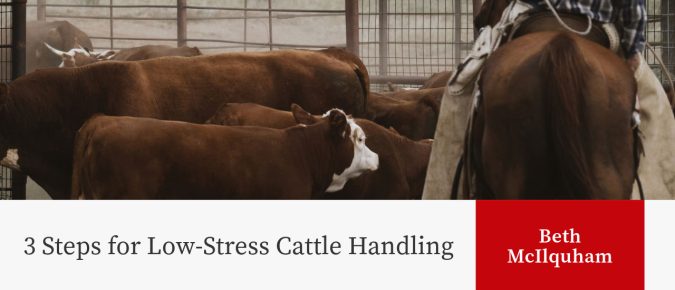
Reducing stress during livestock handling can increase productivity, maintain or improve meat quality, reduce sickness, and enhance animal welfare. Implementing low-stress handling techniques when working with cattle is the first step to reducing stress.
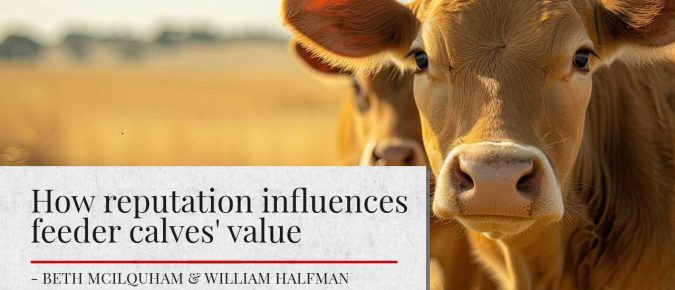
Seller reputation is often included in discussions on traits that influence feeder calf prices. Yet, historically it has not had a value assigned to it as many other traits have.
Reproductive diseases of concern for Wisconsin’s cow-calf herds include those caused by bacteria, protozoa, and viruses.
You should contact your veterinarian early on as symptoms present, especially for something you have a negative gut feeling about. The odds of successfully returning the animal to health are improved the earlier it is correctly diagnosed and treated.
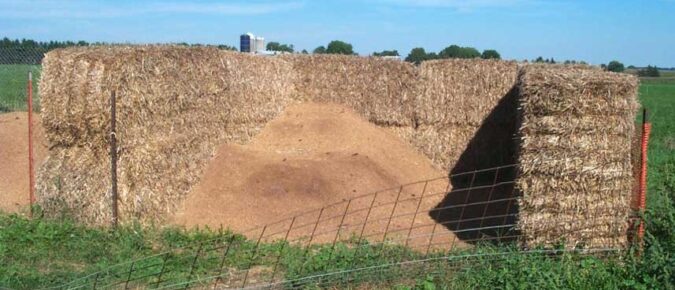
Composting can be used for occasional mortality, emergency livestock mass casualties, and disease outbreaks.