Para mantener su tamaño, la tasa de reemplazo anual de un hato para carne por lo general es igual a la cantidad de vacas que salen anualmente debido a la
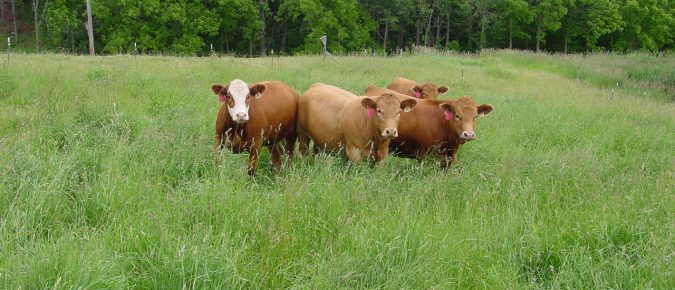
muerte, a su comercialización o su sacrificio. Se ha sugerido una tasa de reemplazo típica del 15 % (Thomas). Entonces, para el hato promedio de vacas y becerros de Wisconsin con 25 vacas, se necesitan cuatro reemplazos por año. Los productores deben decidir entonces si adquirir reemplazos o criar sus propias vaquillas es lo mejor para sus operaciones.
Genomic testing can save beef producers time and money when deciding which heifers to retain within their herd. A comparison of two commercial heifers explains how to interpret genomic reports.
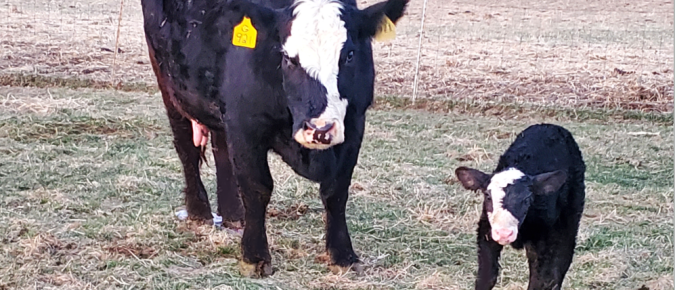
Calves born early in the calving season provide several advantages for beef cow-calf operations.
To maintain its size, a beef herd’s annual replacement rate typically equals the number of cows that exit annually due to death, marketing, or culling. A typical replacement rate of 15% has been suggested.
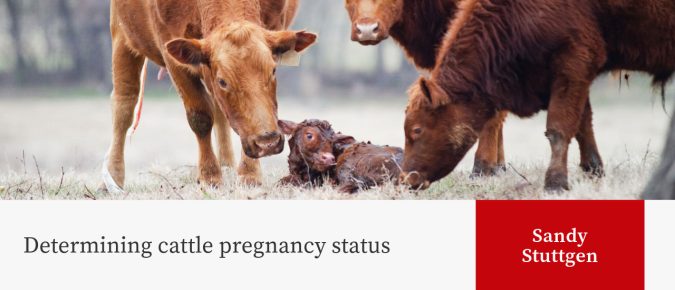
It is important to determine pregnancy status so action toward the non- regnant cows can be taken.
As spring calving season wraps up for some cow-calf producers throughout the state, now is the time to take a few minutes to evaluate how the calving season shook out.
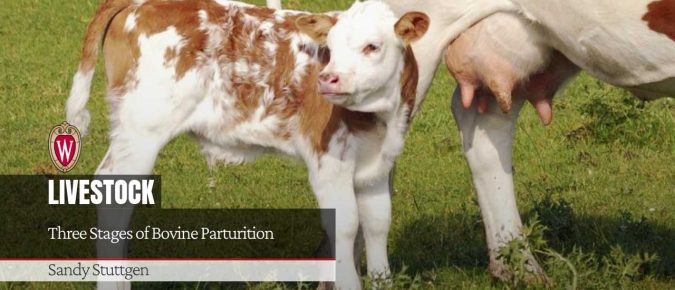
There are three stages to the birthing process, or parturition: dilation of the cervix, delivery of the calf, and delivery of the placenta. Knowing the normal birth process will help you decide whether or not to intervene.
As the seasons come and go, the production cycle of the beef herd also changes. Cows calve, calves grow, and replacement heifers are selected. Selecting replacement heifers using production records, herd goals, and available resources can ensure the correct females are staying in the production system.
It is common practice this time of year to evaluate our cows to make culling decisions, but this is also a good time to evaluate our bulls to determine which sires we are going to feed through the winter and which have come to the end of their genetic contribution to the operation. Bulls, much […]
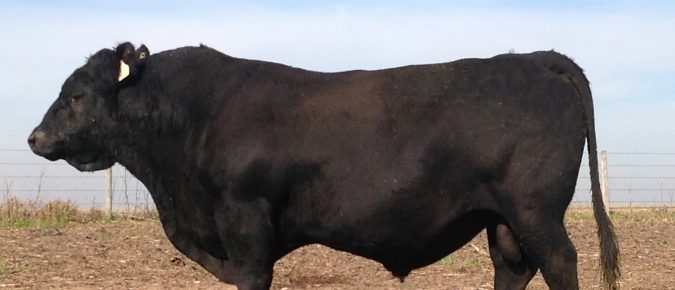
La selección de un toro de un hato es una de las decisiones más importantes que debe tomar un productor. La decisión de seleccionar qué toro para aparear con cada vaca o vaquilla tiene efectos genéticos duraderos en el hato.