Skip to content
UW Madison Crest

Livestock

Division of Extension

  • Topics
    • Meat
    • Beef
    • Beef x Dairy
    • Poultry
    • Swine
    • Small Ruminants
    • Decision Tools and Software
  • 🗓️ Livestock Events
    • Event Calendar
    • Driftless Region Beef Conference
    • Farm Ready Research
  • News
  • Programs
    • Beef Roundup Webinar Series
    • Master Meat Crafter Training Program
    • Small Ruminant Webinar Series
    • Wisconsin Youth Livestock
  • Articles
  • People
  • About
    • Our Impacts
  • Contact Us
Search
University of Wisconsin-Extension

Small Ruminants


About

Wisconsin’s small ruminants provide meat, milk, and fiber to meet the growing local and national demand for quality products. Extension Specialists and Educators support the economic viability of Wisconsin’s sheep and goat producers with the following resources.


News

  • UW–Madison Division of Extension to Host “Parasite Patrol Plus FAMACHA” Training for Sheep and Goat Producers on May 1, Gays Mills
  • Cyclone Lambing School Offers Practical Training for Sheep Producers 
  • Small Ruminant Parasite Management and FAMACHA Training
Read More


Webinars

The Small Ruminant Webinar Series provides research-driven solutions to popular sheep production issues. It also connects sheep and goat producers to useful tools, techniques, and tricks of the trade & tips from the field.

Learn More


Articles

Warm season grass forage option

Warm season grass forage option

Forage crabgrass emerges quickly and is ready for grazing at four to six inches tall in approximately 40 days.

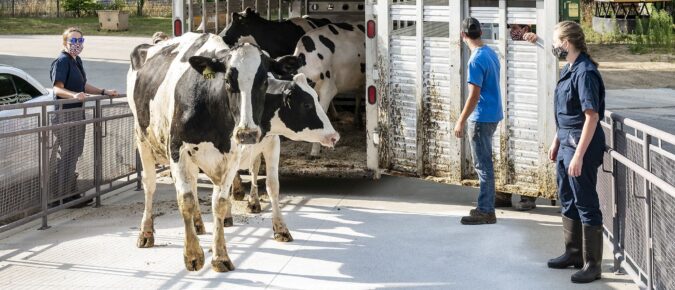
Biosecurity for bringing home new sheep and goats

Biosecurity for bringing home new sheep and goats

Biosecurity steps must be in place before the animals arrive to ensure the health of the new and existing herd or flock members and livestock owners.

Resources for Highly Pathogenic Avian Influenza (HPAI) in Cattle

Resources for Highly Pathogenic Avian Influenza (HPAI) in Cattle

Highly Pathogenic Avian Influenza (HPAI) is an emerging issue that poses a significant threat to the health and well-being of dairy herds.

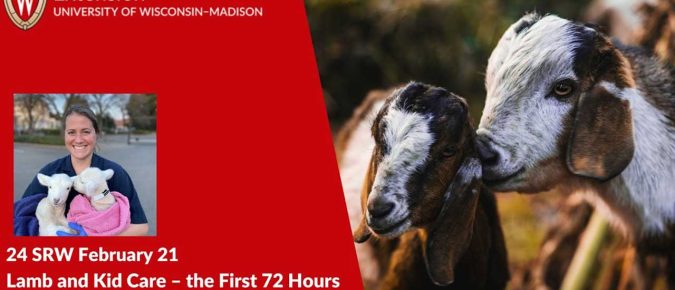
Lamb and Kid Care – the First 72 Hours

Lamb and Kid Care – the First 72 Hours

Rosie Busch, DVM, UC Davis Cooperative Extension, will cover the common presentations for sick kids and lambs within the first few days of life and practical methods to increase the likelihood of a positive outcome.

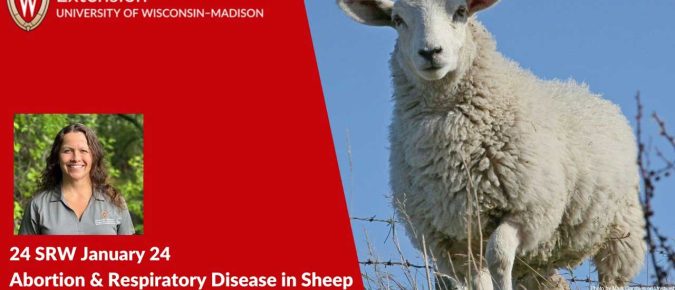
Abortion & Respiratory Disease in Sheep and Goats

Abortion & Respiratory Disease in Sheep and Goats

This session explains how these pathogens spread, clinical signs, diagnostic strategies, necropsy and sample collection, and prevention practices producers can use to protect flock health.

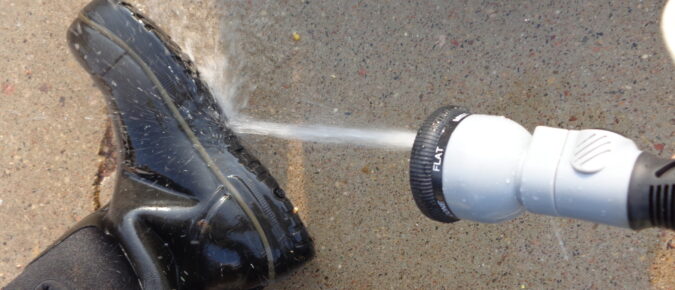
Step into biosecurity with clean and disinfected boots

Step into biosecurity with clean and disinfected boots

Keeping your livestock safe from microbes, including bacteria, viruses, and fungi, is the biosecurity goal that all farms should have. Wearing clean, sanitized footwear helps meet this goal as foot traffic moves microbes to and around the farm.

Use the proper syringe and needle when vaccinating cattle

Use the proper syringe and needle when vaccinating cattle

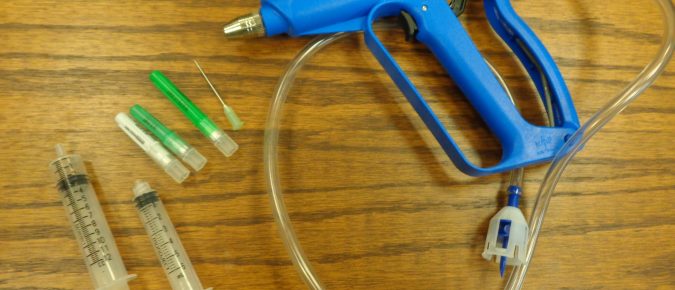
Using the right equipment when vaccinating your cattle requires the right tools. The correct syringes and needles must be used in addition to a well-designed and functioning headgate to restrain cattle so injections may be safely administered in the neck area.

Easy in, easy out: Incorporate biosecurity upon the introduction of new animals

Easy in, easy out: Incorporate biosecurity upon the introduction of new animals

For decades, livestock producers have moved animals on and off the farm by way of sale, leasing, renting, and between other facilities or pastures owned by the farm. With these movements comes the risk of the introduction or spread of disease.

Cleaning and sanitizing multi-dose syringes and transfer needles

Cleaning and sanitizing multi-dose syringes and transfer needles

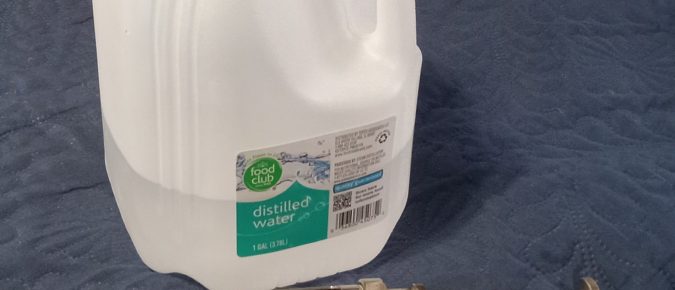
Properly cleaning, sanitizing, and storing multi-dose syringes and transfer needles will reduce contamination from many viruses, bacteria, and fungi. The steps described here use only tap and distilled or deionzed (purified) water and do not render the equipment sterile.
Utilize life cycle and fecal egg counts to manage sheep parasites

Utilize life cycle and fecal egg counts to manage sheep parasites

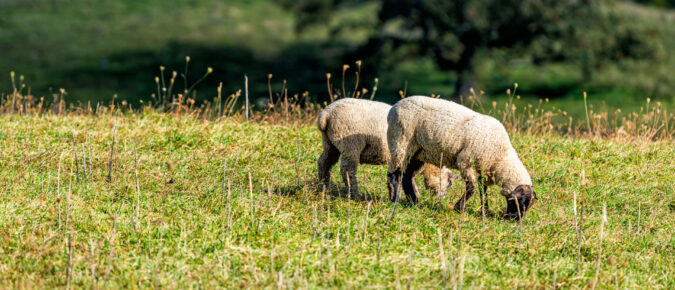
Understanding the relationship between forages, sheep, and parasitic stomach worms (helminths) is the first step in creating a management strategy to increase animal production and decrease anthelmintic resistance (AR

Posts navigation

Posts pagination

â—„ Page 1 Page 2 Page 3 Page 4 â–ş

Division of Extension

Connecting people with the University of Wisconsin

  • Agriculture
  • Community Development
  • Health & Well-Being
  • Families & Finances
  • Natural Resources
  • Positive Youth Development

Agriculture at Extension

  • Animal Sciences
  • Crops and Soils
  • Dairy
  • Farm Management
  • Horticulture
  • Discovery Farms
  • Master Gardener
University of Wisconsin-Madison      |        Explore Extension: Agriculture Community Development Families & Finances Health Natural Resources Youth
Connect With Us
Support Extension
Extension Home

We teach, learn, lead and serve, connecting people with the University of Wisconsin, and engaging with them in transforming lives and communities.

Explore Extension »

County Offices

Connect with your County Extension Office »

Map of Wisconsin counties
Staff Directory

Find an Extension employee in our staff directory »

staff directory
Social Media

Get the latest news and updates on Extension's work around the state

facebook iconFacebook

twitter icon Follow on X


Facebook
Follow on X

Feedback, questions or accessibility issues: info@extension.wisc.edu | © 2026 The Board of Regents of the University of Wisconsin System
Privacy Policy | Non-Discrimination Statement & How to File a Complaint | Disability Accommodation Requests

The University of Wisconsin–Madison Division of Extension provides equal opportunities in employment and programming in compliance with state and federal law.