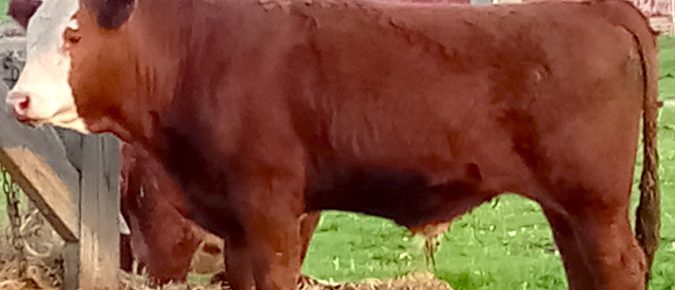
Throughout this calving season it is important to remember that continuing proper cow management is necessary for your cows to have a successful, tight calving window next year. One of the most effective ways to manage the post-partum interval is to maintain the body condition scores (BCS) of your herd.
As the gavel falls on your cattle purchase, do you really know what you bought? Herd additions have inherent risk. Every movement of cattle onto your cow-calf operation—be they cows, heifers, calves, or bulls—brings biosecurity risks to your farm. It is critical to isolate new additions so that any sickness they break with is not shared with your home herd.
Deworming decisions are farm-specific and depend on the age of the animal, how much exposure they had to infective larvae while grazing this spring and summer or the previous spring and summer, when they were last dewormed, and what products were used.
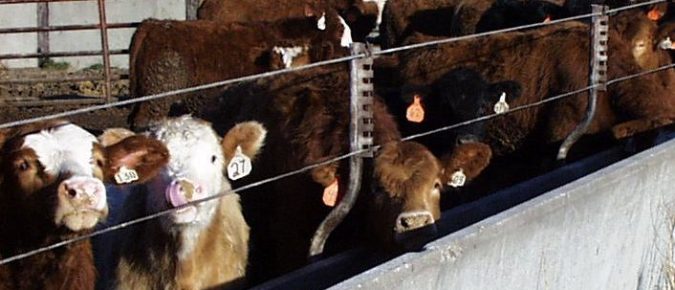
Bringing new calves to the feedlot is stressful for them due to transportation, adjusting to a new home, changing feed, exposure to disease, and establishing social order with new cattle. Minimizing both clinical and subclinical disease in feedlots is essential for producers to improve profitability.
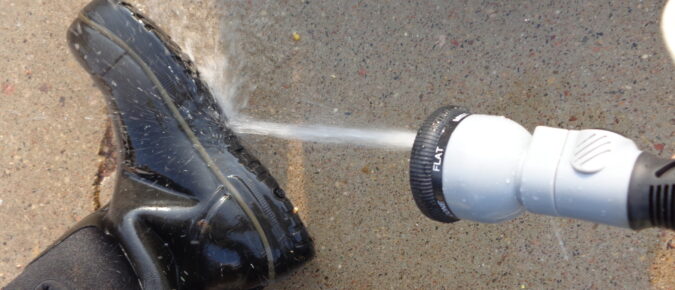
Keeping your livestock safe from microbes, including bacteria, viruses, and fungi, is the biosecurity goal that all farms should have. Wearing clean, sanitized footwear helps meet this goal as foot traffic moves microbes to and around the farm.
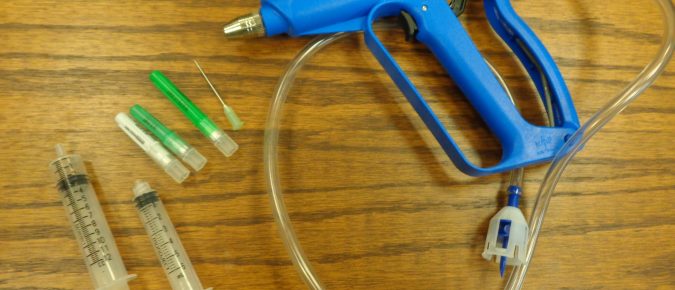
Using the right equipment when vaccinating your cattle requires the right tools. The correct syringes and needles must be used in addition to a well-designed and functioning headgate to restrain cattle so injections may be safely administered in the neck area.
For decades, livestock producers have moved animals on and off the farm by way of sale, leasing, renting, and between other facilities or pastures owned by the farm. With these movements comes the risk of the introduction or spread of disease.
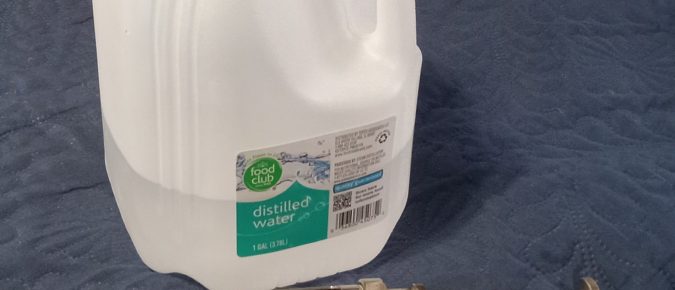
Properly cleaning, sanitizing, and storing multi-dose syringes and transfer needles will reduce contamination from many viruses, bacteria, and fungi. The steps described here use only tap and distilled or deionzed (purified) water and do not render the equipment sterile.
Since the 1950’s, the FDA has approved several steroid hormone implants for use in beef cattle. These implants are used in all production phases from nursing calves through the finishing phase and are labeled for sex, age, or stage of production.
Shopping for deals and managing inventory are two ways to lower livestock drug costs. Have you ever been confused by the different brands available? How do you know which is the better buy?