Publication ID: A4139
Introduction
Parasitic worms in cattle are unlikely to be eradicated in the foreseeable future due to the worms’ acquired resistance to dewormers and the varied nature of cattle production systems. To maintain production goals, Wisconsin cattle owners need to understand and manage the relationship between parasitic worms, the host, the environment, and dewormers.
Parasitic worms, or helminths, hinder the performance of cattle, especially those raised on pasture. Dewormers, or anthelmintics, are easy to use, and
studies cite the economic advantage of using them. Studies also continue to show that worms develop resistance to the dewormers used today, and resistance is developing faster than new products are being developed. Cattle raisers who undertake deworming cannot truly know whether their deworming strategy was effective until they measure the results of their deworming program by using fecal egg counts (FECs). Understanding the relationship between worms and cattle is key to developing management strategies for meeting production goals.
Helminths
The term helminth describes several parasitic worms in cattle, including the gastrointestinal nematodes Ostertagia, Cooperia, Haemonchus, Trichostrongylus, Oesophagostomum, Bunostomum, and Nematodirus. The life cycle of these worms occurs within cattle and on grass. Sexual reproduction occurs within cattle intestines, while egg hatching and larval development occur on grass. One female worm may produce tens of thousands of eggs.
Life cycle
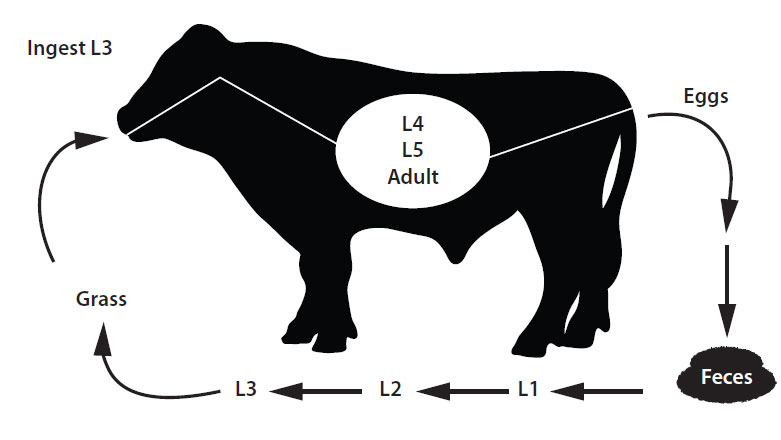
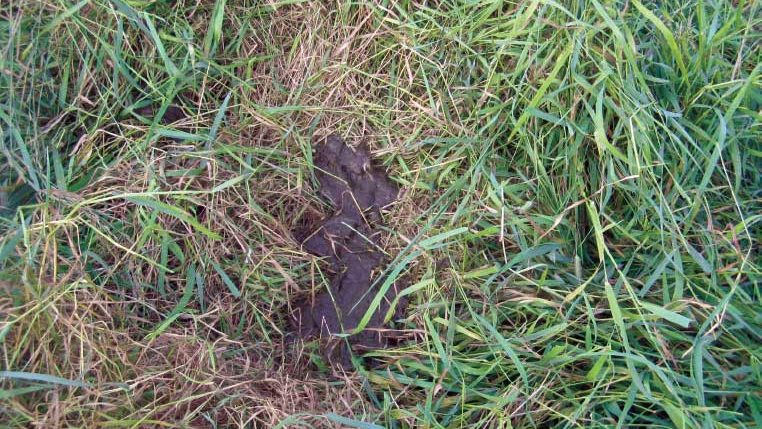
Eggs hatch within the fecal pat, and the first stage larvae (L1) feed on microorganisms within the feces as they molt to the L2 stage. As L2 larvae mature to the L3 stage, they develop a protective sheath. Larvae in the L3 stage move away from the fecal pat (as far as 12 inches) and crawl up grass stems (as high as about 4 inches) in hopes of being ingested by cattle. Larvae in the L3 stage do not feed and are capable of surviving a long time using their body reserves. Stressors such as hot or dry conditions cause them to use their energy stores faster. Larvae survive freezing and, depending on the species, will overwinter on grass and serve as a source of new infestation in the spring. Eggs do not survive freezing.
The L3 stage is the infective stage. When cattle consume grass harboring L3 larvae, the ingested L3 burrow into the gastrointestinal lining. They consume host blood, grow, and transition to the L4 and then L5 stages. Helminths are ferocious blood feeders and will die if their feeding is interrupted for more than 24 hours. The L5 stage is the reproductive stage. Depending on the worm involved, maturation of an ingested L3 to its sexual maturity takes 17–21 days.
Ostertagia will “hibernate” within the gastrointestinal wall in a state of hypobiosis. Hypobiotic larvae survive in cattle during suboptimal grass conditions or during the winter. As pasture environments improve in the spring, they emerge from their state of hypobiosis, maturing to become a source of eggs.
It is not in the worms’ best interest to harm their host, as they need the host for food and larval maturation. To this end, helminths naturally limit the number of larvae in the host in two ways: they limit the ability of new L3 larvae to infect the host, and they impede the growth of already-ingested larvae. This natural process of limiting numbers in the host is called premunition. When dewormer is administered, the stable internal population is disrupted, and the growth of the remaining L4 and L5 and the recently ingested L3 can proceed unchecked, resulting in an overwhelming parasite load that could lead to compromised health or even death of the host.⁸
Diagnosing helminths
Diagnosis is performed by a fecal egg count (FEC), which can be either qualitative (positive or negative for eggs) or quantitative (number of eggs per gram of manure). Manure samples are used to perform FECs. Veterinary clinics or diagnostic labs offer this testing. Numerous FEC methods exist; however, they vary in their detection and accuracy for diagnosing helminths in cattle (see sidebar on page 3). As all helminth eggs appear microscopically similar, identification requires advanced testing, such as a polymerase chain reaction (PCR) test. Not every veterinary diagnostic lab offers PCR testing. Identification of specific helminths is often necessary when dealing with failed anthelmintic treatment.
Logic suggests that high egg counts mean high helminth counts; however, it’s important to remember we are dealing with a biological system. The qualitative or quantitative values reveal very little about the actual host worm burden.²⁰ Failure to identify eggs in the sample may result from the presence of few sexually mature worms, a helminth species that produces relatively few eggs, hypobiosis, an egg counting technique that is not sensitive enough, or random chance there were no eggs in the particular sample of feces submitted for testing. To gauge the overall herd infestation, 20% of the herd or 20 animals, whichever is greater, must be sampled. Studies demonstrate approximately 20% of the herd harbors 60%–80% of the helminths.⁶ ¹² ²⁴
After deworming, a fecal egg count reduction test (FECRT) must be used to gauge the efficacy of the treatment. Typically, the FECRT compares pre-treatment FEC to a 14-day post-treatment FEC. A minimum of six, but preferably ten to fifteen animals, should be given a FECRT. Research has shown it is better to compare pre- and post-treatment FEC in individual animals rather than pooling the samples.⁶ ¹³ Treatment is considered effective with a FECRT of 90%–95%. A FECRT less than 90% indicates potential anthelmintic resistance.¹ ² Identification of the surviving worms is critical for managing the development of anthelmintic resistance during future treatments.
Developing resistance
Large reproducing populations with short life cycles lead to genetic diversity, which helps guarantee future survival. These same biological and genetic features favor the development of resistance to dewormers.¹⁴ ²⁴ The first field study of parasite resistance with confirmed helminth counts on necropsy was conducted in Wisconsin.² ⁷ ¹⁷ All dewormers have variable degrees of resistance.¹¹ ²⁴
Resistance to dewormers develops in the worm, not within cattle. Resistance is the ability of the worm to survive doses of dewormer that would normally kill the same species and stage.¹¹ “Super worms” are not being generated from sudden new mutations for drug resistance, nor is the drug causing the worm to grow bigger or produce more eggs. Resistance mutations are very rare, but they occur due to the sheer number of eggs produced and the inheritance of the mutation.¹³ ²⁴ As drug-resistant helminths survive deworming and reproduce, they pass their drug-resistance genes on to their offspring.
The extent to which survivors contribute their genes to future generations determines dewormer resistance. This contribution is influenced by the drug’s pharmacology and administration, worm biology, host immunity, grazing management, and weather impacting larval stages outside of the host.¹⁷ ²⁴ Individual resistant parasites may disappear unless given a competitive edge. Their edge is provided when dewormers kill susceptible competitors.¹⁰ Simple genetic principles apply: Resistant worms mating with each other create resistant progeny.¹²
A mixed population of worms often resides in the host. Removal of drug sensitive Ostertagia after using a broad‑spectrum product may leave behind a resistant population of Cooperia.⁶ ¹⁰ In this instance, a FECRT result would fail efficacy, but the producer would not know the dominant worm population until a PCR or other advanced test is used. Better treatment decisions can be made when the worm’s identity is known.
The number of resistant worms remaining after treatment increases incrementally. Resistance may take years to develop, but once a critical resistant worm population is reached, the rate of resistance development increases. When resistance is diagnosed as a clinical problem (usually noted as treatment failure), resistance to that specific active ingredient class is ultimately fixed in that worm population, and reversion back to susceptibility will likely never occur.¹²
Resistance to a specific active ingredient class does not mean the worm is also resistant to other drug classes. Resistance to various drug classes is developing faster than new classes of dewormers are being developed. The development of resistance can be slowed by avoiding misuse of dewormers, particularly through sub‑therapeutic use (see the Anthelmintics section for more information). The development of resistance may also be slowed by maintaining a population of susceptible helminths, also known as refugia.
Diagnostic tests
Numerous fecal egg counting techniques exist. However, they vary in their detection capability and accuracy.
- The McMaster and the Modified Wisconsin Sugar Flotation methods are preferred methods for use in cattle.
- The two‑chamber McMaster method is useful for FEC when high egg burdens are suspected.
- The three‑chamber McMaster yields improved capacity to measure low levels of eggs.
- The Modified Wisconsin Sugar Flotation method is accurate for quantifying smaller numbers when low levels of eggs are likely present (such as following treatment with dewormer).
- Fecalizer methods used for small animals are not accurate, as they do not clear enough debris from cattle feces.
- PCR measures the egg’s genetic material (DNA) and is very accurate and sensitive.
Refugia
Larvae not exposed to dewormers at the time cattle are dewormed are known as refugia. Refugia include larvae residing on pasture or within the intestine at the time of deworming. Intestinal larvae may not be exposed to the treatment due to various chemical or biological factors. Untreated herd mates also contribute to refugia. Stage L3 larvae on pasture at the time of treatment contribute to refugia when they are not ingested prior to clearance of the dewormer from the treated animal.
The size of refugia has direct bearing on the degree of selection for resistance to a particular class of dewormer,²² as refugia provides susceptible genes to the gene pool. It is important to think about the remaining worm population that will be breeding future generations. Parasites killed by the treatment are no longer capable of breeding. Worms that survive treatment have resistance, which is passed on to their progeny.
Numerous studies conducted in sheep confirm maintaining or increasing refugia reduces anthelmintic resistance. It is reasonable to expect the same benefit from maintaining bovine refugia, given the similarity of bovine and small ruminant helminths and the gastrointestinal systems of these animals.⁶ Refugia could be the most important factor in determining the speed at which resistance develops; therefore, it must be considered when designing and implementing control programs.²⁰
Current management practices for maintaining refugia rely upon leaving untreated animals in the herd. Stockers and backgrounders face the greatest challenge for balancing the need for refugia with the need for maximal growth in these immunologically immature cattle.
Glossary
fecal egg count (FEC)—A qualitative or quantitative measure of helminth eggs seen in a fecal sample.
fecal egg count reduction test (FECRT)—A test comparing the number of eggs following a treatment to the number of eggs prior to the treatment.
host—A living organism providing protection and nourishment to another living organism.
hypobiosis—Arrested larvae within the host’s intestine.
parasite—A living organism that derives protection and nourishment from another living organism.
polymerase chain reaction (PCR) test—A genetic test that allows for identification of a specific helminth.
premunition—Host resistance to infestation caused by an established worm population.
refugia—Helminth stages not exposed to anthelmintic at the time of treatment; helminth population likely susceptible to an anthelmintic; contributes genetic variation to the helminth population.
resistance—A worm’s ability to survive anthelmintic doses that would normally kill the same species and stage, and then pass that ability on to the next generation.
The host
Parasitic worms derive nourishment and protection from cattle, living in association with and at their expense. The primary host expense is providing blood to the parasite. Worms cause problems ranging from mild gastrointestinal inflammation to clinical disease. In many cases, cattle tolerate the parasite burden, and both the host and the parasitic worms can coexist.⁸
In many parts of the world, cattle are capable of thriving while maintaining parasitic relationships. Occasionally animals in these systems may die from their parasites, but the overall effect to the herd is relatively small. Dewormer use is minimal in these husbandry systems, and because of less exposure to treatments, the worms remain susceptible to the drugs.⁸
“Thriving” must be considered in the context of the production system’s goals. Cows milking 15,000 pounds or less per lactation or steers gaining 2.2 pounds or less per day can perform to these production levels while parasitized. Available nutrients become much more critical as production demands of the host increase; it takes fewer worms to cause economic loss when highly productive animals are involved. A smaller worm population will cause economic loss in dairy cows capable of milking 30,000 pounds per lactation or steers gaining 4.4 pounds per day.²
Producers have increased their use of dewormers in response to the economic goal of increasing production. Many pharmaceutical companies focus marketing efforts on the economic benefit of using dewormers, highlighting their use to achieve pounds of gain rather than treatment of sick animals.⁶ Some products are viewed as performance enhancers.¹⁵ As worm resistance continues to develop, the economic benefit of using dewormers diminishes. It is possible, however, to balance production goals with those of the host–parasite relationship.
Calves and young cattle are most sensitive to helminths due to their immature immune systems, and there is much economic evidence to support deworming young stock.⁶ The higher economic returns are seen because deworming allows an animal’s body to use feed for normal metabolism and weight gain rather than diverting nutrients to support worms. Cattle develop tolerance to worms as they age, and by using sound animal husbandry, calves may grow and meet production goals while harboring parasites. In order to build tolerance, calves must be exposed to parasites in a controlled fashion. Immunity breaks down from concurrent parasite challenge and either malnutrition or disease.
It is wise to remember premunition and age‑dependent tolerance when deworming animals. When treated with an effective dewormer, it is especially important that young stock not be exposed to a pasture of infective larvae. The loss of premunition will permit rapid re‑infestation, perhaps with a heavier parasite load than before, leading to acute parasitism.⁸ Premunition and age‑dependent tolerance help prevent clinical signs of bottle jaw, constipation or diarrhea, weight loss, production loss, and death of cattle.
Due to improved husbandry and nutritional applications, clinical parasitism in the United States is not as prevalent as it was in previous decades. Today the major consequence of worms is due to subclinical losses, which may go unrecognized when the producer does not measure calf performance (weight gain and body condition score) and FEC. Helminth management in cattle is further complicated as there is no standardized bovine FEC treatment threshold,¹⁵ and, as stated previously, approximately 20% of the herd harbors 60%–80% of the helminths.⁶ ²⁴ Again, it is important to monitor FEC and performance to understand acceptable worm burdens for your herd. FECRT should be used to gauge deworming treatment effectiveness.
Shepherds report host resistance to parasites and selectively breed resistant sheep. Immunologic resistance to helminths has a heritability index of approximately 0.30. However, the use of genetic selection for parasite control in cattle is not feasible, as worms will adapt their immune responses faster than cattle age and reproduce.²⁴
Dairy cattle
Today’s dairy calves are often born in confinement systems and housed in a hutch or pen on a dry lot or concrete‑based system until weaned; they spend that entire time away from the cow’s helminths. Exposure to worms first occurs when young stock graze pastures used by older cattle. Exposure is inevitable since helminths can survive on pasture or in carrier animals for years. Refugia within older animals increase the odds for pastured young stock to be exposed to anthelmintic‑susceptible larvae.
Parasite control in dairy young stock should be geared toward allowing some parasite exposure in order to develop tolerance while maintaining adequate growth. This may be accomplished by monitoring rate of gain and body condition scores along with FEC. Replacement dairy heifers exposed to pasture should have FEC measured and, based upon those results, dewormed prior to their first lactation. Measure FECRT and PCR two weeks after treatment to gauge efficacy and determine how best to control resistant worms.
Worms are a challenge for grazing dairies, as low burdens will decrease milk production especially in first and second lactation cattle. Older cows may not need to be dewormed and will serve as a source of refugia for younger herd mates. Grazers should develop protocols that maintain refugia and animal performance. While managed grazing practices increase pasture productivity, producers should track stock movement across intensively managed pastures while measuring FEC, body condition scores, and milk yield from each pasture. Prudent use of dewormers should be based upon rising FECs, and then efficacy should be measured using FECRT. At the end of the grazing season, a final FEC and PCR should be performed to evaluate the worms which may overwinter on pasture.
Producers should also practice strategic deworming, administering anthelmintics when they have the most impact on worm populations. This is best achieved when FECs indicate there is a need for treatment. Tactical deworming, or administering anthelmintics when it is convenient to the producer (or by following a calendar set by turnout onto grass), often increases the development of anthelmintic resistance and has little effect on the overall infestation rates within the herd. Work with your veterinarian to have supplies on hand for feces collection and a process in place for regular FEC submissions.
While adult milk cows housed in confinement systems should not require routine deworming due to lack of exposure to grass, pastured dry cows may need to be dewormed shortly before they freshen.⁶ Dewormer use must first be warranted, however, dependent upon FEC. Perform FECRT and PCR two weeks after treatment to gauge efficacy and determine how best to control resistant worms.
Beef cattle
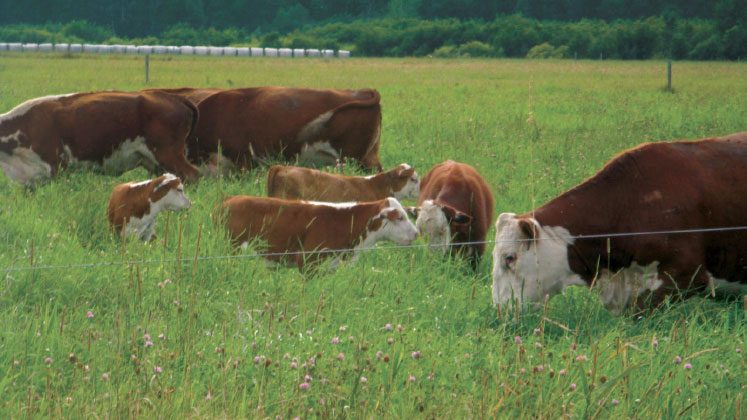
Beef calves nursing grazing cows obtain the majority of their nutrition from their mother’s milk, not from pasture. Nursing calves on pasture are gradually exposed to helminths as they age and consume more forage. This gradual exposure is needed to develop the calf’s tolerance to helminths. Maximal growth of pre‑weaned calves is not absolutely necessary, and unweaned calves can maintain worm populations without serious weight loss. In most cases, wait to deworm until after weaning.⁶
Maintaining refugia by not deworming nursing cows during the grazing season increases the odds for the calf to be exposed to anthelmintic‑susceptible larvae. If needed, treatment of cows about one month into the grazing season may lower parasite numbers to a manageable level.⁶ Dewormer use must first be warranted, dependent upon FEC and measured performance of the cow and calf.
Average daily gain and body condition score are two performance indicators that should be regularly measured. It is also important to perform FECRTs to gauge treatment efficacy.
After giving birth to their calves, heifers and cows harboring subclinical worm infections will experience a rise in helminth egg output. Although not completely understood, this increased egg shedding has traditionally allowed calving dates to be later on in the spring to seasonal calving operations.⁸ It is better to first determine worm burdens of late gestation and/or fresh cows, rather than simply treating them.
Nutrition that meets or exceeds the animal’s daily requirement and pasture management while monitoring FEC will help fresh cows and their calves cope with worm exposure.
Beef stocker or backgrounders face the greatest challenge in parasite control, and it is virtually impossible to maintain refugia of young, similarly aged calves in these production systems. Sourced calves may arrive with resistant worms, and before pasture turnout, producers should measure FEC and identify the worms using PCR. Then use combination treatments to control any resistant worms before turnout⁶ (see the Anthelmintics section for more information). Two weeks after turnout, recheck treatment efficacy with FECRT and PCR. Monitor monthly FEC and deworm only when the egg count rises. At the end of the grazing season, a final FECRT and PCR should be performed to evaluate the worms which may overwinter on pasture.
Best practices for maintaining refugia
Numerous studies conducted in sheep confirm that maintaining refugia reduces anthelmintic resistance, and it is reasonable to think the same is true for cattle.⁶ It is virtually impossible to maintain refugia in stocker/backgrounding systems, but other systems can benefit from considering refugia maintenance when designing and implementing control programs.²⁰
- Dairy and beef cattle older than their second lactation should not be dewormed unless FEC and performance warrant.
- Untreated second lactation and older dairy or beef cows provide refugia for their younger herd mates and nursing calves.
- Measure FEC, body condition score, and productivity monthly during the grazing season to determine when stock need to be dewormed.
- Feeders need only be treated once upon arrival at the feedlot. Coming from various sources, they most likely harbor resistant worms and may need combination treatments (see the Anthelmintics section for more information).
- Confinement dairies should measure FEC of heifers and dry cows returning from pasture and just prior to entering lactation, deworming only when FEC reaches a predetermined level.
- Low worm burdens in first and second lactation dairy cows can decrease milk yield. While tracking stock movement across pastures, grazers may need to strategically deworm when indicated by FEC, body condition scores, and milk yield (see the Environment and Anthelmintics sections for more information).
Clinical parasitism
Clinical parasitism is defined by clinical losses and is diagnosed using FEC. Clinical signs which may be observed include:
- Diarrhea
- Rough hair coat
- Distended abdomen
- Lower than expected weight gains
- Bottle jaw—edema under mandibles
- Higher incidence of other diseases; poor response to vaccination
- Delayed conception rates
Subclinical parasitism
The major economic impact of subclinical parasitism is due to production losses rather than clinical losses. The infestation is not recognized until FEC and performance are monitored because signs of subclinical infestation are subtle:
- Lower than expected weight gains
- Lower than expected milk production
- Higher incidence of other diseases; poor response to vaccination
- Delayed conception rates
Current deworming rationale is aimed at subclinical infestation, with the tendency being to “treat for pounds of gain” rather than to “treat ill animals.”
The environment
As explained in the Helminth section, the worm life cycle includes eggs and larval stages residing in the pasture environment (L1 and L2 in the fecal pat, L3 on the grass) as well as larvae (L4 and L5) harbored by the host. The life cycle of worms is interrupted by prolonged absence of grass.
Complete pasture renovation, through tillage and/or rotation to mechanically harvested crops for one or more growing seasons, breaks the life cycle and is the best way to develop truly “clean” pastures. Keeping cattle on dry lots or concrete also slows the parasite life cycle. However, grass growing along fence lines or feed bunks can harbor immature parasite stages and serve as a source of cattle infestation.⁸
Temperature, moisture, and grass management have profound influences on the populations of infective L3 larvae. Infestation is highest during spring and fall when precipitation is plentiful, temperatures are moderate, and grass is rapidly growing. During such times, worm numbers on pasture may comprise more than 99% of the total population on a farm. During hot, dry times of the year, however, much of the worm population resides inside cattle and can re‑infest pastures when environmental conditions improve.
Cattle perpetuate their worm infestation from year to year. Deworming late in the fall after several hard freezes will help reduce the number of larvae carried forward to spring. Post‑treatment FECRT and PCR will identify the resistant survivors in the cattle, and the test results will indicate which resistant larvae were left on pasture. Eggs do not survive freezing, but larvae protected under snow cover or pasture residue will overwinter even in cold climates. The larvae are therefore available to infest grazing cattle the following spring.
Managing grass and helminths
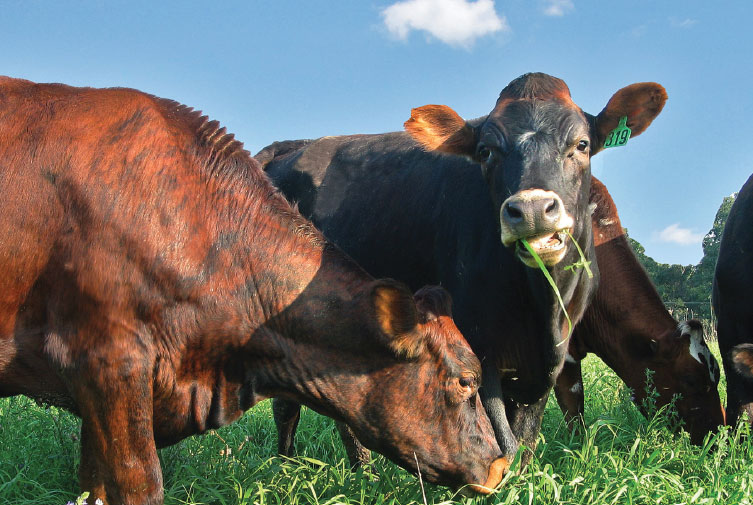
Helminth larvae are present when temperatures and rainfall support actively growing grass. As a rule of thumb, when weather conditions support a morning dew, larvae are up on the grass, waiting to be ingested. Infective L3 generally remain close to the soil surface where moisture levels are more consistent. Maintaining a minimum of four inches of residual plant height and using an appropriate stocking rate will balance utilization of pasture forage production and minimize risk of exposure to larvae.
Certain management strategies will help decrease the parasite load when a pasture may harbor significant worm populations from the previous grazing season. One tactic to consider is harvesting one or two hay crops before returning the pasture to grazing. Eggs and larvae will not survive hay harvesting conditions. When hay harvesting is not feasible, graze older animals on heavily contaminated pastures, since they have an age‑dependent tolerance to worms.
Another option is grazing contaminated pastures with alternative animals, such as sheep or goats. Cooperia and Ostertagia are reduced by co‑grazing with sheep, but the levels of other worms, specifically Haemonchus and Trichostrongylus, are not. Co‑grazing with small ruminants in the United States is common on small farms where beef or dairy production is not intensely practiced. Co‑grazing is not seen as feasible on commercial operations. Co‑grazing calves with older cattle proves to be a much greater deterrent to parasite acquisition than grazing calves with sheep.²⁴
Grazing permanent pastures (set‑stocking grazing systems) at a light stocking rate can provide adequate helminth management since animals selectively graze around well‑formed manure pats and this decreases the incidence of L3 ingestion. However, set stocking results in poor forage utilization patterns. Often 50%–60% of pasture forage production is wasted, and cattle tend to overgraze selected areas. Overgrazing has the potential to increase weed pressures and erosion issues due to reduced pasture plant vigor.
Rotational grazing systems are used to better manage animal grazing patterns and optimize productivity and quality of the pasture. Selective grazing is typically decreased in intensive rotational grazing systems, so cattle are less likely to consume shorter grasses harboring larvae than when grazed in a set‑stocked system. Cattle in intensively managed rotational systems will be grazing actively growing grass, which better supports larvae survival. When short rest periods between grazing events are used, the return to the paddock will coincide with high L3 populations resulting from eggs deposited and larval maturation from the previous grazing cycle.
Intensive rotational grazing systems may also increase the stocking rate well over that recommended for set‑stocking systems. High stocking rates increase manure deposition and additional hoof traffic results in greater fecal distribution, so eggs are more widely distributed across the pasture. Selective grazing is decreased with higher stocking densities, and cattle are more likely to consume grass that is contaminated with larvae unless plant residual target heights are observed. Four inches is considered the maximum vertical height helminth larvae can achieve.
Rotational grazing systems provide several positive economic and production benefits to the cattle production system, but they concurrently provide an environment that may enhance larval infestation. To decrease the potential for increased parasite exposure when using a rotational grazing system, use short grazing occupancy times (less than four days) so that animals do not graze below target plant residue heights. Use multiple paddocks to ensure longer rest intervals (30–45 days or more) for each pasture unit to allow adequate pasture regrowth.
Incorporating mob grazing events that leave substantial residual plant biomass and extend rest intervals (60 days or more) may also help manage the number of L3 consumed. Inclusion of alternative types of pasture forage sources, such as cover crops, small grains, and hay aftermath as part of the farm grazing system strategy can also assist by decreasing exposure to helminths from permanent pasture areas.
For out‑wintering and winter grazing systems that use stock‑piled forages, producers should document which cattle group (recently treated, or sources of refugia) may have provided larvae to that pasture site. Plan to use these areas for grazing by older cattle with worm tolerance at the beginning of the next grazing season. It is also possible for eggs to survive after deposition into bedding pack material during winter months. Bedding pack manure should be spread on annual cropland or harvested forages, not pastures that will be grazed during the current growing season.
Worms in the environment
Understanding how eggs and larvae stages move through the environment can help inform grazing decisions and reduce parasite load in the herd.
- Most eggs do not survive, and the greatest attrition occurs from egg to L2.
- Predatory fungi and dung beetles consume feces and the eggs and larvae within.
- Third stage larvae (L3) move 5–12 inches away from fecal pats; further lateral movement is facilitated by hoof traffic.
- L3 move vertically as high as 4 inches on grass, depending on temperature and moisture.
- L3 do not feed; hot and dry pasture conditions speed their consumption of body reserves.
Reducing grazing risk
Following a few key practices can help reduce pasture contamination and parasite load in the herd:
- Determine optimum stocking rate to prevent overgrazing.
- Maintain pasture grass residual height of 4 or inches or taller.
- Limit rotational grazing events to less than 4 days to prevent overgrazing.
- Develop adequate rotation of paddocks to ensure paddock rest of 30 days or more.
- Interrupt pasture helminth loads with hay harvest, cover crops, and/or pasture renovation.
- Young animals should graze pastures least likely to be infested with L3.
- Older animals with tolerance to helminths should graze following younger stock.
- Allow refugia.
Anthelmintics
Numerous deworming products are available on the market today, and it is important to understand the category of active ingredient represented by each product. Deworming protocols may differ because each farm is unique. When developing and implementing deworming protocols, producers must correctly use properly calibrated equipment, dose according to actual weight, and use an appropriate active ingredient class for the worms identified.
Types of dewormers
There are four broad classes of anthelmintics: benzimidazoles, imidazothiazoles, macrocyclic lactones (ML), and tetrahydropyrimidines. Most anthelmintics are available without a veterinary prescription.
Active ingredient classes of common dewormers
benzimidazoles: Albendazole, Fenbendazole, Oxfendazole
imidazothiazoles: Levamisole
macrocyclic lactones: Doramectin, Eprinomectin, Ivermectin, Moxidectin
tetrahydropyrimidines: Morantel
Benzimidazoles are often referred to as “white dewormers” and represent a large family of broad‑spectrum agents. Given orally, this class of dewormers kills the worms by disrupting their cell division and inhibiting glucose uptake, limiting a source of energy for the worms. Death of susceptible worms happens quickly and with no significant residual activity, as this class of dewormers is quickly broken down in the gastrointestinal tract, and most of the medication is secreted out of the body in the feces.
The method of administration and lack of residual activity of benzimidazoles are regarded to be their downfall. However, their role in maintaining a host–worm relationship must be re‑evaluated, as “white dewormers” are deposited directly where larvae reside. Pastes, gels, drenches, or boluses must be carefully given to the back of the throat using equipment designed for correct placement in order to reduce the amount cattle spit out. Pelleted formulations are palatable. Benzimidazoles may be more effective when the dosage is divided, prolonging exposure to the product. Some benzimidazoles may cause birth defects, so limit exposure of pregnant animals to these products.
Imidazothiazole dewormers act by disturbing the helminth neuromuscular system. They cause contraction of the worm’s muscles with subsequent paralysis, immobilizing the parasite and not allowing its mouth parts to stay attached to the gut wall. Imidazothiazoles also interfere with an enzyme needed to mobilize glucose to generate energy.
Imidazothiazoles can abolish adult stages of worms; however, it is a short‑acting medication. Toxicity has been noted in calves receiving twice the therapeutic dosage. Signs of toxicity in affected animals included increased alertness, salivation, head shaking, and muscle tremors.
Ivermectin is the most widely known product within the macrocyclic lactone (ML) class. MLs are generally regarded as the most effective and least toxic dewormer. All products within this active ingredient class originate as a unique derivative from Streptomyces soil bacteria. MLs destroy normal nerve function, paralyzing the worm. The worm cannot stay attached to the gut wall and is swept away with the feces. MLs are very effective, but they are more expensive compared to the other classes of dewormers.
Many MLs are labeled to provide residual activity. Long‑acting formulations are popular because therapeutic levels of the drug are available to kill multiple generations of susceptible larvae and adults without having to re‑administer the product. Regardless of the formulation, sub‑therapeutic levels occur at the end of labeled treatment duration.
Tetrahydropyrimidine dewormers are rapidly metabolized in ruminants. Tetrahydropyrimidines disrupt adult worms through interference of the neuromuscular system—much the same method as imidazothiazoles.
Routes of administration
Benzimidazoles, imidazothiazoles, and tetrahydropyrimidines are administered orally. Oral benzimidazoles continue to show overall efficacy.⁶ ⁷ ¹⁷ ²⁵ These products are applied directly into the helminth’s intestinal environment, thereby avoiding the uptake problems associated with injectable and especially pour‑on products. Oral dosing may be inconvenient for some producers, and when not administered properly, can also lead to sub‑therapeutic dosing.
Imidazothiazoles, tetrahydropyrimidines, and MLs are available as injectable (subcutaneous, SQ) products. MLs are also available in pour‑on formulations. Both SQ and pour‑on formulations meet beef quality assurance guidelines for reducing injection site lesions. Injectable products achieve therapeutic blood levels more consistently than pour‑on formulations.
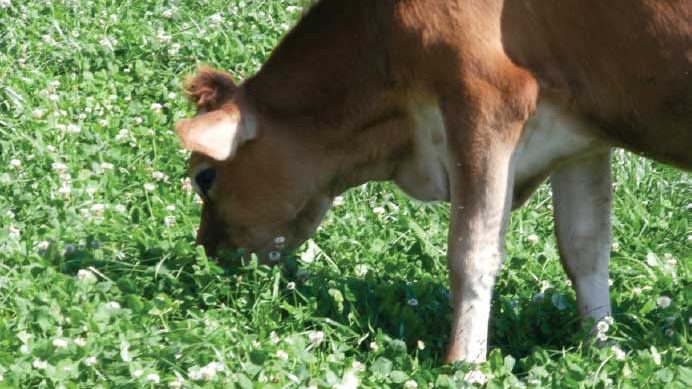
Skin is naturally designed to prevent transfer of chemical agents. Pour‑on MLs rely on uptake through the hair follicle, which is impeded by excessive hair, dirt, or mud. Sub‑therapeutic use happens when pour‑on products are applied to long‑haired animals, for example during winter or before cattle shed their heavy coats in the spring. Some formulations readily wash off when exposed to weather, which can occur through rainfall or when cattle enter ponds or streams.
Shortly after pour‑on formulations were made available, research found the absorption of pour‑on products to be erratic and unpredictable.² Absorption can be erratic because some herd mates will lick the dewormer from the backs of poured herd mates. The animals that lick will receive a disproportionately large dose from both the oral and transdermal doses, while those that are licked will receive a disproportionately low dose.⁴ ¹⁷
Anthelmintic efficacy
As discussed in the Helminth section, the development of worm resistance is well documented.² ³ ⁷ ¹⁷ ²³ A January 2013 comparison of FECRT efficacy for ML pour‑on products found a 15% decline in efficacy since the study was performed in 2008, while the efficacy of their injectable counterparts declined 17%. The efficacy of injectable and pour‑on ML reported in 2013 was 55% and 52% respectively. The newer long‑acting ML (LongRange™) performed similarly to existing injectable formulations. Benzimidazole efficacy in fecal egg count reduction was 99% in 2008 and 2013.² ²⁵
Exposure to nonlethal doses (sub‑therapeutic use) allows for genetic mutation to that ingredient class. In addition to the problems already discussed with pour‑on products, sub‑therapeutic use also happens when the incorrect dose is delivered either by poorly calibrated equipment or by not dosing to the actual weight of the animal. In addition, either host or helminth physiology or drug pharmacokinetics may result in nonlethal exposure.
To reduce the development of resistance, producers are encouraged to use multiple classes of anthelmintics in a sequential rotation, avoiding continual use of the same product. When first used in many herds, MLs killed Ostertagia well; however, their repeated use selected for Cooperia to the extent that resistant Cooperia have become a problem in those herds. FECRT should be used to determine treatment efficacy. With ML treatments, using a FECRT earlier than 14 days post‑treatment is an unreliable gauge of that dewormer’s efficacy, as there is a temporary suppression of egg production following exposure to this class. FECRT indicates better efficacy of injectable and oral ML products¹⁷ because pour‑on MLs often show poor efficacy due to erratic delivery and uptake across the skin.
Deworming decisions
Deworming products are given to the animal to affect the worms inside the cattle’s gastrointestinal tract. Traditional deworming recommendations include either treating animals during times of increased pasture concentrations (therefore higher levels of ingested L3), or waiting to treat during a period of lower L3 on pasture, depending on the grazing program. During hot, dry times of the year, fewer larval stages are on pasture and more stages are inside cattle. Dewormers used at this time should significantly reduce worm populations in the cattle.
Simply deworming without knowing the worm population may contribute to creating resistance of the worms to the active ingredient class administered. A more sustainable practice is to measure FEC along with PCR to determine worm levels and the identity of the worms present, and then treat if the egg counts warrant. Post‑treatment FECRT (two weeks later) is necessary, along with PCR, in order to determine the best method for treating the resistant survivors. Monitor FEC on a monthly basis during the grazing season, treating only when a predetermined egg count is reached. Compare FEC to body condition score or rate of gain in order to help with treatment decisions.
Allow dewormed stock to remain in the same area for at least a week after treatment before moving them to the next pasture unit. During that time, the cattle will continue to graze refugia larvae, providing a source of susceptible genes and decreasing the percentage of resistant larvae that move onto another paddock. Larvae that are ingested stay in the animal for two to three weeks in most pasture. For this reason, newly dewormed animals grazing the youngest and safest forage should be avoided, as recently dewormed animals have deposited worms. Remember to determine dewormer efficacy using FECRT and PCR to identify the potentially resistant worms so that future deworming decisions are appropriate.
Combination therapy
While not labeled for combination use, many veterinary parasitologists agree deworming concurrently with different classes of products will increase their efficacy without contributing to resistance.⁶ ¹⁷ ²⁰ Susceptible worms are killed regardless of the use of single or multiple ingredient classes. In combination, these dewormers will kill resistant worms that would otherwise survive. Surviving worms would be those with extremely rare multiple‑resistant genes. Fortunately, multiple‑resistant worms have not yet been reported in cattle. Refugia dilution of these rare genotypes should slow the development of multiple‑resistant genes.
Concurrent administration of benzimidazoles enhanced the efficacy of injectable and pour‑on MLs as evidenced in the 2008 and 2013 FECRT database where FECRT increased earlier.² ³ ²⁵ Combination therapy achieved greater than 99% fecal egg count reduction of many years. Resistance to all MLs is delayed when they are used in combination with benzimidazoles or imidazothiazoles.⁶ ¹⁷ ²⁵ Double and triple combination therapies have been used for many years in some countries, especially with sheep. Evidence of adverse reactions has not been reported.²⁰
Combination therapy is only appropriate when the components used do not share the same mechanism of resistance. Current evidence suggests ingredient classes do not share common resistance mechanisms, and there is no field evidence that shows developing resistance to one class predisposes development of resistance to another class.²⁰ Since dewormers are over‑the‑counter products, combination use would be considered extra label drug use, which may only be prescribed under the direction of a licensed veterinarian in the context of a valid veterinarian–client–patient relationship (VCPR). Producers must read labels, and, with the help of their veterinarian, design treatment protocols that use the appropriate classes.
Newly acquired stockers may arrive with resistant worms. Quarantine before pasture turnout while performing FEC, and identify the worms using PCR. Then before turnout, consider using combination treatments along with follow‑up FECRT and PCR to identify any resistant worms.⁶ Monitor monthly FEC and deworm when the egg count rises to a target pre‑determined in consultation with your veterinarian. Perform a final FEC and PCR at the end of the grazing season to evaluate the worms which may overwinter on pasture.
Deworming decisions
DO NOT DEWORM…
- to destroy premunition
- older cattle when refugia levels are low; after deworming older cattle, wait at least a week before moving them to new pasture
- dairy calves previously housed on concrete or dry lot; wait to deworm 4–6 weeks after exposure to pasture and when FEC warrants
- beef calves nursing cows
BASE TREATMENT UPON…
- weight of each animal
- calibrated equipment
- FECRT to monitor efficacy
- PCR determination of resistant genus and species present
- previous class of anthelmintic used
- class combinations with VCPR
Anthelmintic use
N GRAZING ANIMALS…
- Deworm lactating dairy cows based on FEC and performance; maintain refugia by not deworming second lactation and older animals.
- Deworm when still on previously grazed paddock.
- Base cow/calf deworming decisions on the cows’ FEC during the grazing season.
- For weaned calves born on spring pasture, deworm in the fall, 4–6 weeks post‑weaning, based on FEC and performance.
- When weaning beef calves on a pasture, wait to deworm them in the fall after the first hard freeze.
- Deworm beef cattle during their second grazing season when FEC and performance warrant; wait to deworm in the fall after the first hard freeze.
- Pasture‑based stockers and backgrounding systems may need to use combination therapy, which must be done under the guidance of a licensed veterinarian.
- After treatment, determine efficacy using FECRT and PCR.
IN CONFINEMENT ANIMALS…
- Deworm once for beef calves upon entering the feedlot; use combination therapy under the guidance of a licensed veterinarian.
- Deworming is reserved for dairy cattle upon return from pasture, based upon FEC and performance.
- Use FECRT and PCR to determine efficacy of treatment.
In conclusion
Understanding the components of the helminth’s relationship to the host and environment and performing appropriate testing allows producers to make the most informed decisions related to grazing and deworming. Managing the relationship as effectively as possible results in the best possible animal health and production outcomes.
References
- Arnold, M. 2013. Does your pour‑on dewormer work? Cooperative Extension Service University of Kentucky. www.uky.edu/Projects/BEEF/downloads/offtheHoofmay13.pdf (Accessed 1 June 2015)
- Bliss, D.R., D.R. Moore, and W.G. Kvasnicka. 2008. Parasite resistance in U.S. cattle. AABP Proc 41:108–114.
- Bliss, D.R., D.R. Moore, and W.G. Kvasnicka. 2013. Summary of fecal worm egg count reduction trials. www.wmdlamenessresearch.net/…/National%20Data%20Base%20 Summary%20on%20 (Accessed 23 April 2015)
- Bouquet‑Mélou, A., et al. 2011. Licking behaviour induces partial anthelmintic efficacy of ivermectin pour‑on formulation in untreated cattle. International J for Parasitol 41:563–569. doi:10.1016/j.ijpara.2010.12.007
- Forbes, A.B. 2013. LongRange™ (eprinomectin 5%) extended‑release injection parasiticide and the utility of FECRT in determining the effectiveness of available antiparasitic products. Vet Parasitol 195:319–323. doi:10.1016/j.vetpar.2013.01.036
- Gasbarre, L.C., J.L. Smith, R.L. Lichtenfels, and P.R. Pilitt. 2009. The identification of cattle nematodes resistant to multiple classes of anthelmintics in a commercial cattle population in the U.S. Vet Parasitol 166:281–285. doi:10.1016/j.vetpar.2009.08.018
- Gasbarre, L.C., J.L. Smith, R.L. Lichtenfels, and P.R. Pilitt. 2011. The identification of cattle nematodes with multiple anthelmintic resistance on a farm in the U.S. Vet Parasitol 166:281–285. doi:10.1016/j.vetpar.2006.12.011
- Georgi, J.R., et al. 2013. The epidemiology of gastrointestinal nematode infections in cattle. Vet Clin North Am Food Anim Pract 29:33–45. doi:10.1016/j.cvfa.2012.11.006
- Harmon, A., et al. 2007. Comparison of ivermectin pour‑on, doramectin injectable and fenbendazole paste anthelmintic against resistant Cooperia spp. on a calf ranch in the southern U.S. Vet Parasitol 147:165–171. doi:10.1016/j.vetpar.2006.12.011
- Ishmael, W. 2011. Worming toward failure. www.thecattlesite.com/magazines/ cow/cattlehorses/2011/04/worming‑ toward‑failure.html (Accessed 23 April 2015)
- Jabbar, A., et al. 2006. Anthelmintic resistance: the state of play revisited. Life Sci 79:2413–2431. doi:10.1016/j.lfs.2006.08.010
- Kaplan, R.M. 2012. What is refugia and why does it matter? In Improving anthelmintics use in beef production animal management. www.regulations. gov/documentDetail?D=FDA‑2012 N0102‑0005 (Accessed 27 May 2015)
- Kaplan, R.M. 2015. Determining the level of efficacy of anthelmintics. Proc International Congress on Sustainable Parasite Management. sustainableparasite management.org/images/… (Accessed 29 September 2015)
- Kaplan, R.M. 2015. How and why the dewormers of cattle are losing their efficacy. Proc International Congress on Sustainable Parasite Management. sustainableparasitemanagement.org/ images/… (Accessed 17 November 2015)
- McArthur, M.J., and C.R. Reinemeyer. 2015. Worm control in beef cattle: observations and recommendations. Vet Clin North Am Food Anim Pract 31:217–227. doi:10.1016/j.cvfa.2015.03.005
- Saliuozis, V., et al. 2005. Doramectin injectable solution effectively treated sarcoptic mange in pigs naturally infected with Sarcoptes scabiei. Vet Parasitol 27:305–309. doi:10.1016/j.vetpar.2005.05.049
- Stokka, G.L. 2014. Controlling worms in cattle: timing is everything. www.beefmagazine.com/parasites/timing-all-important-effective-parasite-control-program (Accessed 23 April 2015)
- Stalcup, L. 2013. Timing is all-important for an effective parasite control program. www.beefmagazine.com/parasites/timing-all-important-effective-parasite-control-program (Accessed 23 April 2015.)
- [Page 1 life cycle graphic adapted from Stecker, T. 2015. Herd health considerations: parasites. Dixon Springs Agricultural Center University of Illinois. PowerPoint presentation.]
- Stomberg, B., et al. 2012. The role of combination therapies in managing the development of anthelmintic resistance in gastro-intestinal and pulmonary nematodes of cattle in the USA. www.regulations.gov/document?D=FDA-2012-N-0102-0005 (Accessed 27 May 2015.)
- Storey, B. 2015. Fecal egg counts: uses and limitations. Proc International Congress on Sustainable Parasite Management. www.wormx.info/#!whatworkswithworms/cx0a (Accessed 26 September 2015.)
- Van Wyk, J.A. 2001. Refugia—overlooked but of critical importance. www.afgc.org/ proceedings/… (Accessed 15 July 2015)
- Williamson, L. 2015. Choosing the right drug for worm control. Proc International Congress on Sustainable Parasite Management. www.wormx.info/#!whatworkswithworms/cx0a (Accessed 17 November 2015.)
- Yazwinski, T.A., and C.A. Tucker. 2006. A sampling of factors relative to the epidemiology of gastrointestinal nematode parasites of cattle in the United States. Vet Clin North Am Food Anim Practice Ruminant Parasitology. 22:501–527. doi:10.1016/j.cvfa.2006.07.005
- Merck Animal Health. Unpublished FECRT database, update 1. December 2014.
Note: Some hyperlinks may no longer be current.
Originally Published: April 2017
Authors
- Sandy Stuttgen, DVM – County Livestock Educator, University of Wisconsin-Madison Division of Extension for Taylor County
- Sarah Mills-Lloyd, DVM
Contributing Author (Environmental section)
- Rhonda Gildersleeve
Reviewed by:
- Larry Baumann, DVM
- Bill Halfman – Beef Outreach Specialist, University of Wisconsin-Madison Division of Extension
- Tina Kohlman
- Morgan McArthur, DVM
- Jamie Patton
- Daniel M. Schaefer
- Larry Smith, DVM