Direct Marketing Meat: Beef
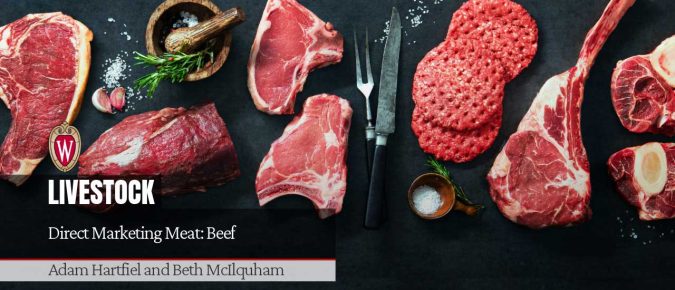
Direct marketing offers a way for beef producers to potentially capture more value for their livestock.
Division of Extension

Information about raising all types of beef in Wisconsin: production and business management, beef quality assurance, housing, well-being, nutrition, and reproduction.


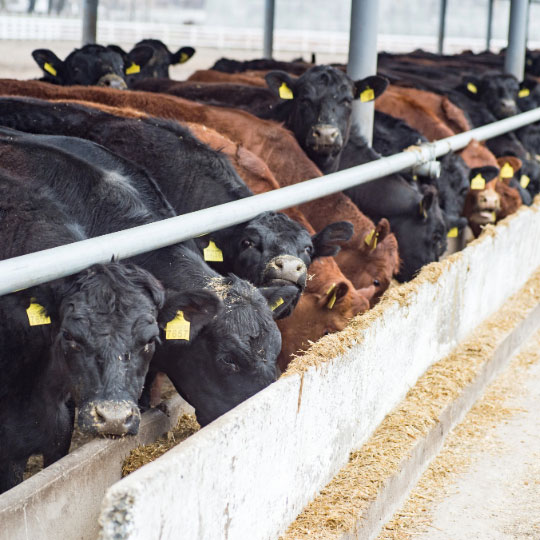

Direct marketing offers a way for beef producers to potentially capture more value for their livestock.
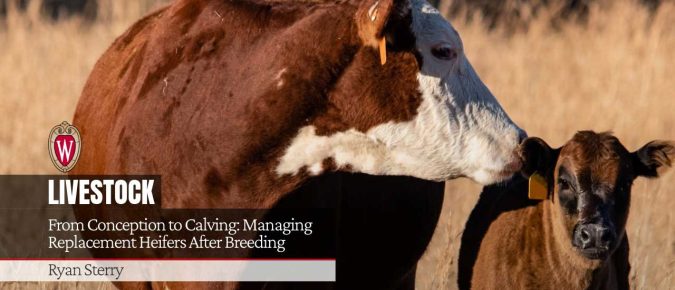
Post-breeding management is crucial, but often overlooked in a heifer development program.
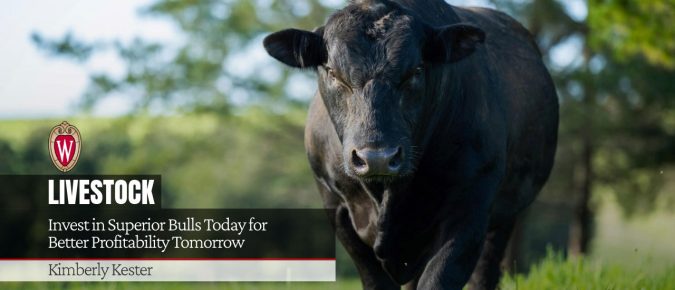
While cattle prices are high, it might be a good time to improve different aspects of your farm. Fencing, handling facilities, hay storage, and even the cattle themselves can benefit from wise investment.
When selecting synchronization protocols, farmers should consider their performance goals, labor, and handling facilities.
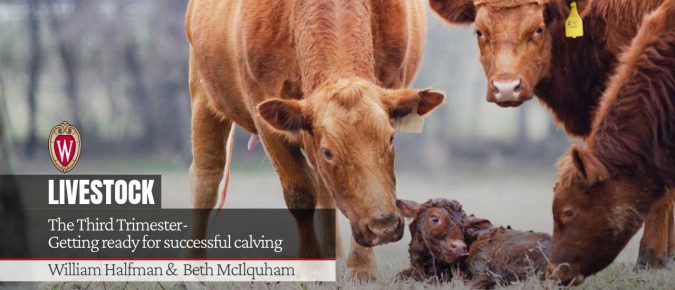
Management of the cow herd during the third trimester has implications for both the cow and the calf. This article looks at some of the challenges, potential negative outcomes, and importance of good management during this time.
Esta hoja informativa le ayudará a asistir al ternero y a la vaca en su recuperación tras un parto difícil (distocia). Proporcionar cuidados después del parto tras una distocia marca una gran diferencia para la madre y su ternero.
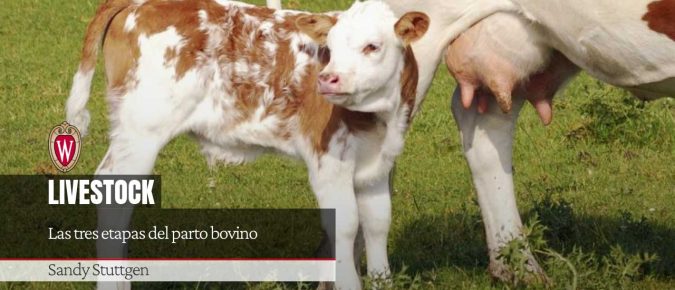
El proceso de parto consta de tres etapas: dilatación del cuello uterino, parto del ternero, y la expulsión de la placenta.
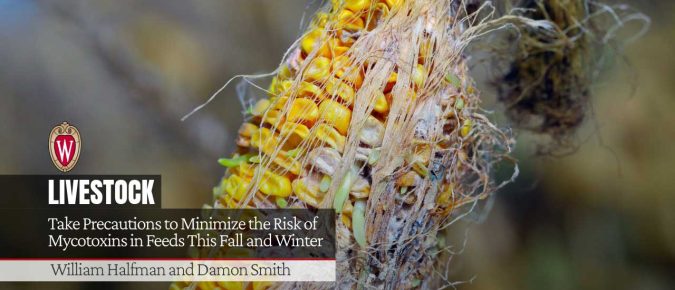
With the high levels of disease observed in many corn fields comes questions on potential problems with toxins in the feed including corn silage, grain, and utilization of the corn stalks after grain harvest for beef cattle.
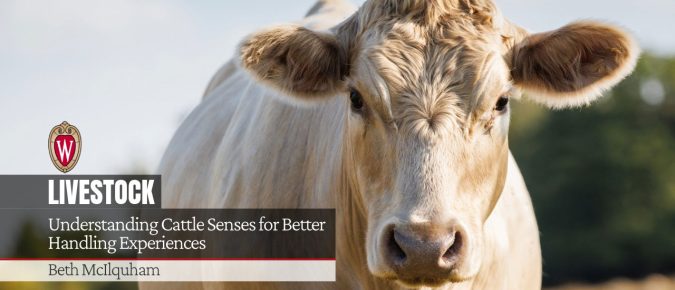
Effective cattle handlers recognize cattle vision and hearing traits and set up their facilities to reduce problems.
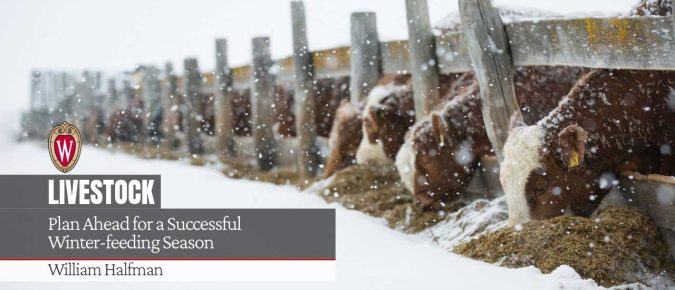
Now is the time to evaluate your forage inventory and compare it with the herd’s expected feed needs.