

Articles
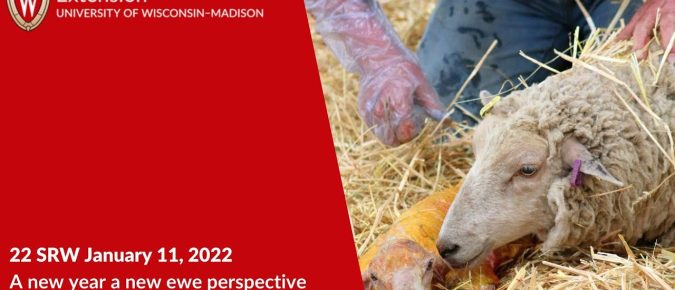
A New Year, A New Ewe Perspective
UW-Madison Arlington Research Station Sheep Unit Program Manager Todd Taylor discusses the most complex sheep on the farm, the ewe. As the ewe moves through the production cycle, her needs change. Learn about how to care for the ewe before breeding, during gestation, after lambing, and at weaning to ensure she is productive for years to come.
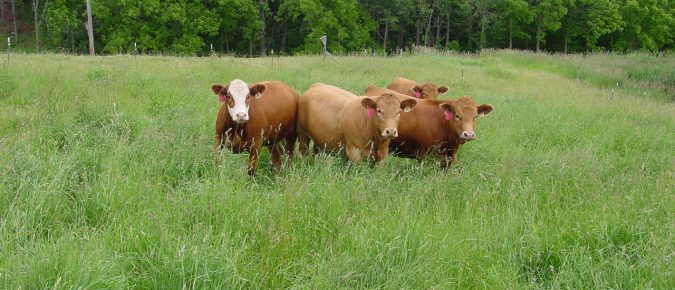
Selecting your Replacement Heifers to Meet Long-term Herd Goals
As the seasons come and go, the production cycle of the beef herd also changes. Cows calve, calves grow, and replacement heifers are selected. Selecting replacement heifers using production records, herd goals, and available resources can ensure the correct females are staying in the production system.
Livestock Quiz Bowl & Skillathon Contest
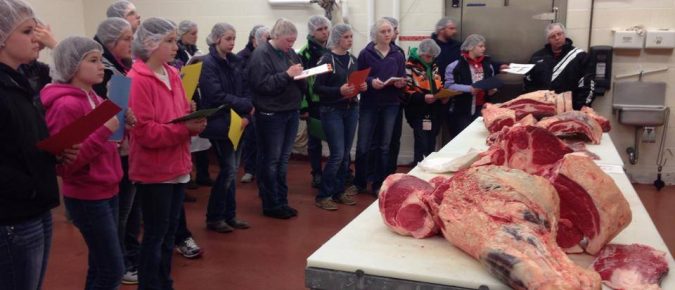
Meats Judging Contest
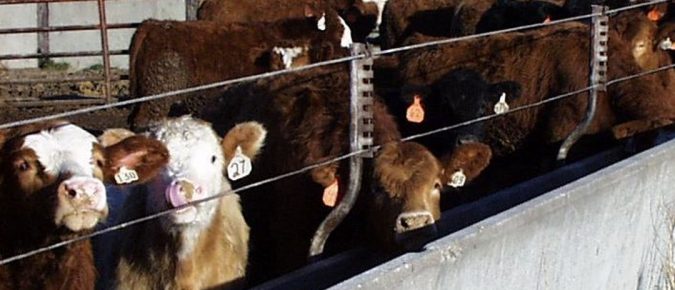
Look at all costs, not just daily feed cost, when evaluating feedlot rations
Evaluating different rations and scenarios as prices and situations change to optimize profits using the resources the farm has available is time well spent. When doing so, it is critical to look at all costs impacted by any ration changes, not just ration cost per ton or feed cost per day, to assess costs and returns accurately.
Animal Sciences Virtual Education Series
In 2025, Bernie O’Rourke, Extension Youth Livestock Specialist will host three webinars that will be offered February through April from 6:30-7:30 p.m. This is available for all youth grades 3-13. The session will be recorded and available on the Wisconsin Youth Livestock Program’s YouTube channel. This is offered in connection with the University of Wisconsin […]
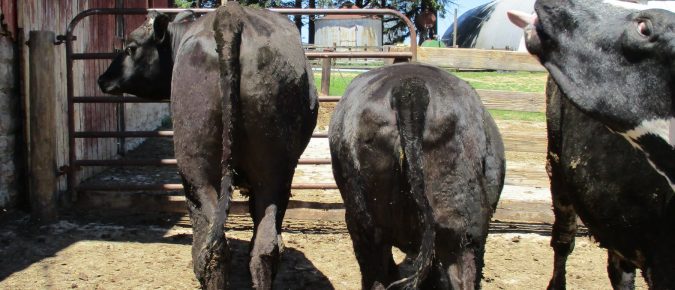
Considerations for Breeding Dairy Cattle to Beef Breeds for Meat Production
Producing beef x dairy cross calves has the potential to increase market value of these calves compared to straight bred dairy bull calves. However, as the supply of beef x dairy cross calves increases, it’s reasonable to assume buyers will become more discerning. Dairy producers can stack the odds in their favor with thoughtful beef […]
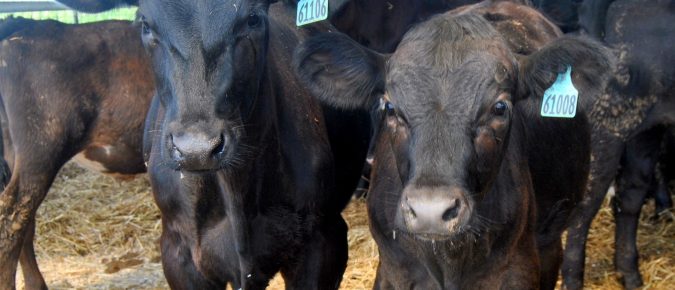
Dairy farm use, and criteria for use, of beef genetics on dairy females
Interest has grown in utilizing beef sires on dairy females. Beef x dairy cross calves may provide an opportunity to increase revenue from calf sales, and improve feedlot performance, and carcass characteristics. Conversely, crossbred calves may introduce more variability in performance and carcass characteristics compared to their purebred dairy counterparts. In the fall/winter of 2018 […]
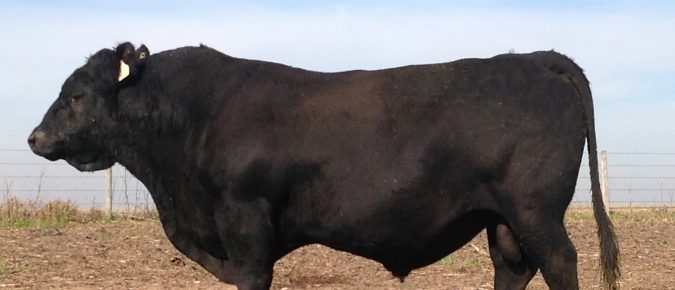
When to Cull Bulls
It is common practice this time of year to evaluate our cows to make culling decisions, but this is also a good time to evaluate our bulls to determine which sires we are going to feed through the winter and which have come to the end of their genetic contribution to the operation. Bulls, much […]
Welcome to the 2021 Badger Swine Symposium
Welcome to the 2021 virtual Badger Swine Symposium. The University of Wisconsin system has a strong history of swine research that continues today. Learn about several student swine research projects and a couple faculty research projects that are ongoing. Dr. Tom Crenshaw is a professor of animal science at the University of Wisconsin-Madison.