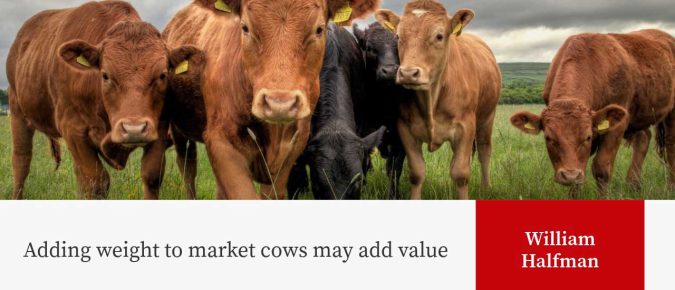
Adding weight to market cows may add value
Several criteria should be considered when deciding if adding weight and condition to market cows makes sense.
Division of Extension

Information about raising all types of beef in Wisconsin: production and business management, beef quality assurance, housing, well-being, nutrition, and reproduction.


Several criteria should be considered when deciding if adding weight and condition to market cows makes sense.
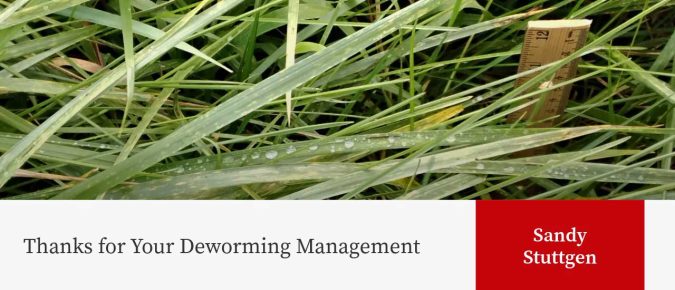
“On behalf of intestinal helminth parasites everywhere, I would like to thank dairy and beef producers for hosting us in their cattle and on their pastures this summer.”
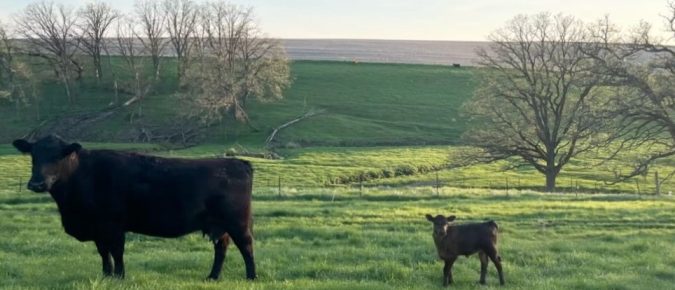
This article was originally published in Farm Progress It’s no secret that weaning is arguably the most stressful time in a beef calves’ life. Calves build strong maternal bonds with their mothers over the 6+ months they are tagging along until they are weaned. Weaning can be done a variety of ways, but the ultimate […]
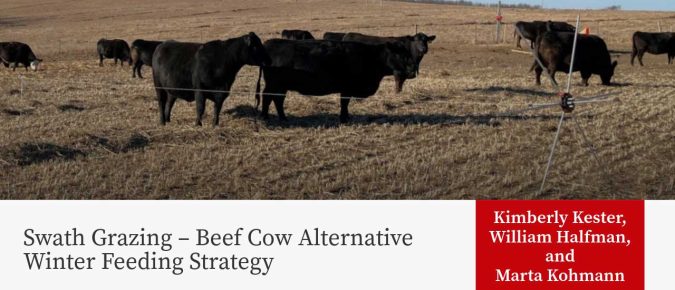
Planning for winter feed is an important step in beef cattle operations. Alternatives include stockpiling, corn stalk grazing, and bale grazing. Swath grazing (also known as windrow grazing) has recently gained interest as an additional option.
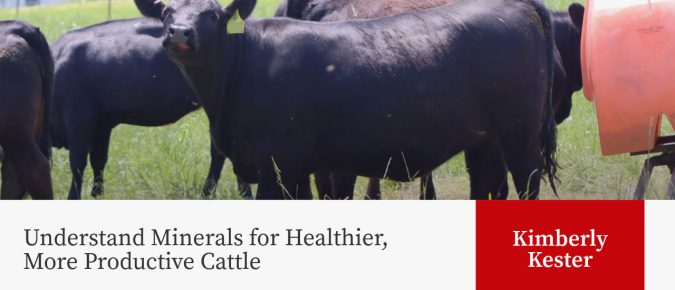
Cattle need both macrominerals and microminerals. Here’s a look at the benefits these supplements provide and the different ways they can be offered to the herd.
Considering a shift from dairy to beef? Learn how forage needs, land use, and cow nutrition differ across beef enterprises.
Having a set breeding season is crucial for cattle producers. But determining the ideal length of that season for your herd can be complicated.
Building a reputation for high-performing, quality cattle can take a while to build, but choosing to take a short cut in a bullish market can have long lasting consequences.
Crossbreeding is overlooked as a tool that has many benefits for beef producers to improve herd productivity. A well-planned crossbreeding program leads to improvements in both the calf crop and the lifetime of momma cows compared to straight bred cows.
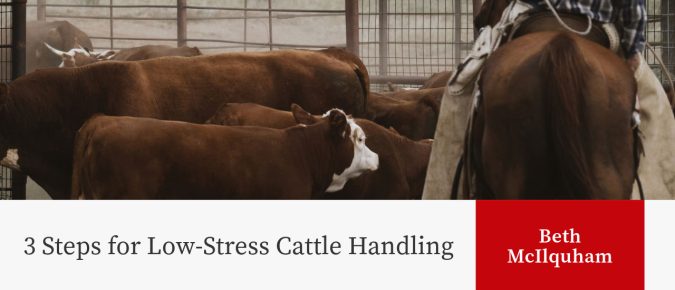
Reducing stress during livestock handling can increase productivity, maintain or improve meat quality, reduce sickness, and enhance animal welfare. Implementing low-stress handling techniques when working with cattle is the first step to reducing stress.