Skip to content
UW Crest

Livestock

Division of Extension

  • Topics
    • Meat
    • Beef
    • Beef x Dairy
    • Poultry
    • Swine
    • Small Ruminants
    • Decision Tools and Software
  • 🗓️ Livestock Events
    • Event Calendar
    • Driftless Region Beef Conference
    • Farm Ready Research
  • News
  • Programs
    • Beef Roundup Webinar Series
    • Master Meat Crafter Training Program
    • Small Ruminant Webinar Series
    • Wisconsin Youth Livestock
  • Articles
  • People
  • About
    • Our Impacts
  • Contact Us
Search
University of Wisconsin-Extension

Beef

Information about raising all types of beef in Wisconsin: production and business management, beef quality assurance, housing, well-being, nutrition, and reproduction.


Focus your search

" "
Climate & Heat Stress
" "
Equipment & Facilities
" "
Finances & Budgets
" "
Genetics & Reproduction
" "
Health & Biosecurity
" "
Meat Production
" "
Nutrition & Feeding
UW-Crest


Articles

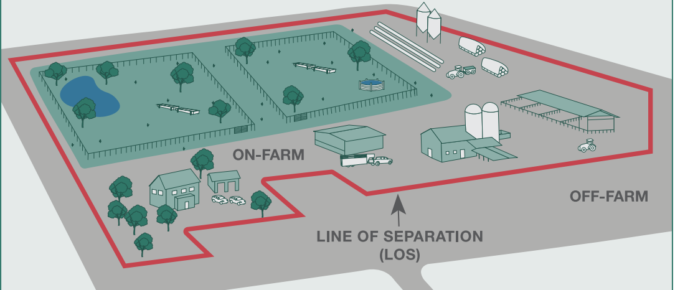
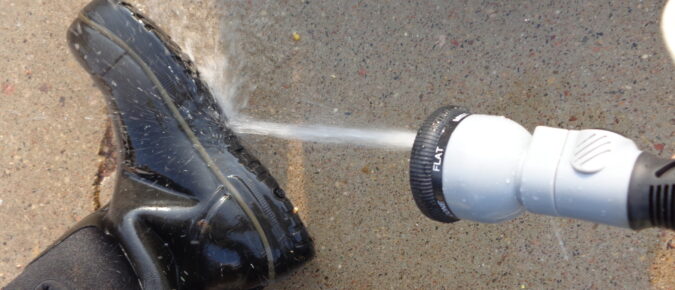
Easy in, easy out: Incorporate biosecurity upon the introduction of new animals

Easy in, easy out: Incorporate biosecurity upon the introduction of new animals

For decades, livestock producers have moved animals on and off the farm by way of sale, leasing, renting, and between other facilities or pastures owned by the farm. With these movements comes the risk of the introduction or spread of disease.

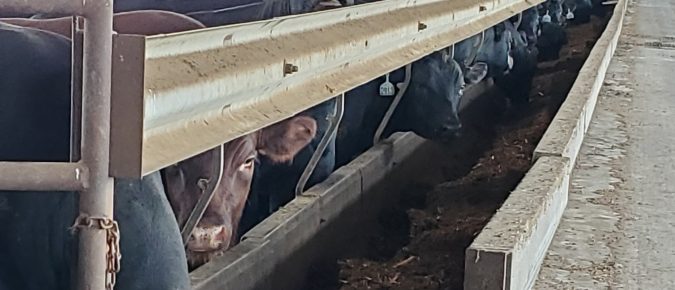
Are you ready to haul cattle?

Are you ready to haul cattle?

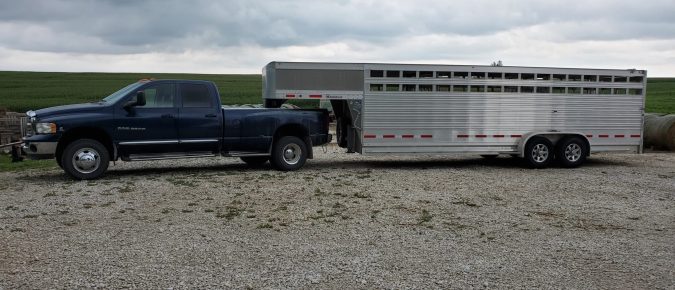
The frequency of hauling cattle varies from farm to farm. Some farms haul on a regular basis and others only a few times a year. In either situation, breaking down alongside the road — or even worse, in a traffic crash — while hauling cattle is not on anyone’s bucket list.

Methane emissions from livestock and climate change

Methane emissions from livestock and climate change

In the increasing discussions about how to address climate change there are conflicting claims about the need to address methane (CH4) emissions.  Some people argue that methane emitted by cows is a primary cause of climate change.  Others argue that methane from beef and dairy production is not of much concern because of its relatively short duration in the atmosphere.

Cleaning and sanitizing multi-dose syringes and transfer needles

Cleaning and sanitizing multi-dose syringes and transfer needles

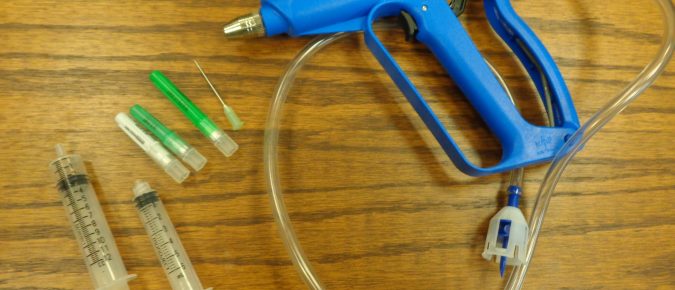
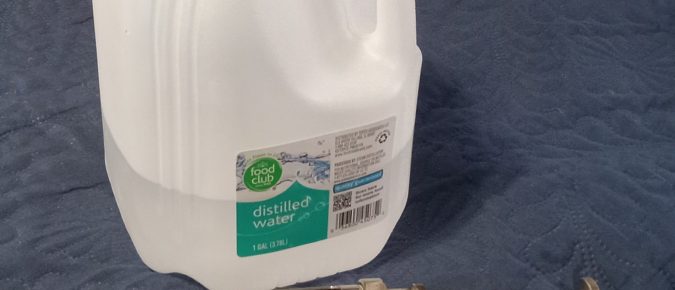
Properly cleaning, sanitizing, and storing multi-dose syringes and transfer needles will reduce contamination from many viruses, bacteria, and fungi. The steps described here use only tap and distilled or deionzed (purified) water and do not render the equipment sterile.


Drought decisions for cow/calf herds

Drought decisions for cow/calf herds

Rainfall through the heart of the Midwest and for most producers across Wisconsin has been a topic to avoid this past spring and summer. Hot summer days were not usually followed by stormy afternoons and much-needed rainfall.

Drought resources for livestock producers

Drought resources for livestock producers

Rainfall has been scarce in Wisconsin this growing season with most parts of the state in moderate to severe drought.  While some parts of the state have recently received some much-needed rain, forage yield has already been reduced and we don’t know what the rest of the growing season will bring.

Determining cattle pregnancy status

Determining cattle pregnancy status

It is important to determine pregnancy status so action toward the non- regnant cows can be taken.

UPDATE: Implant use for beef cattle is changing in 2023

UPDATE: Implant use for beef cattle is changing in 2023

Since the 1950’s, the FDA has approved several steroid hormone implants for use in beef cattle. These implants are used in all production phases from nursing calves through the finishing phase and are labeled for sex, age, or stage of production.

Animal drugs by a different name

Animal drugs by a different name

Shopping for deals and managing inventory are two ways to lower livestock drug costs. Have you ever been confused by the different brands available? How do you know which is the better buy?

Managing worms at spring turnout

Managing worms at spring turnout

Green is my favorite color. Green tree buds, lawns, and pastures signal that winter is finally over. It’s very tempting to turn young stock out onto newly green pasture. We are tired of indoor feeding and cleaning, and we have fieldwork and other chores to attend to. However, tempting as it is to open the pasture gate, first remember these worm management steps.

Posts navigation

Posts pagination

â—„ Page 1 Page 2 Page 3 Page 4 Page 5 Page 6 Page 7 Page 8 Page 9 Page 10 Page 11 Page 12 â–ş

Division of Extension

Connecting people with the University of Wisconsin

  • Agriculture
  • Community Development
  • Health & Well-Being
  • Families & Finances
  • Natural Resources
  • Positive Youth Development

Agriculture at Extension

  • Animal Sciences
  • Crops and Soils
  • Dairy
  • Farm Management
  • Horticulture
  • Discovery Farms
  • Master Gardener
University of Wisconsin-Madison      |        Explore Extension: Agriculture Community Development Families & Finances Health Natural Resources Youth
Connect With Us
Support Extension
Extension Home

We teach, learn, lead and serve, connecting people with the University of Wisconsin, and engaging with them in transforming lives and communities.

Explore Extension »

County Offices

Connect with your County Extension Office »

Map of Wisconsin counties
Staff Directory

Find an Extension employee in our staff directory »

staff directory
Social Media

Get the latest news and updates on Extension's work around the state

facebook iconFacebook

twitter icon Follow on X


Facebook
Follow on X

Feedback, questions or accessibility issues: info@extension.wisc.edu | © 2026 The Board of Regents of the University of Wisconsin System
Privacy Policy | Non-Discrimination Statement & How to File a Complaint | Disability Accommodation Requests

The University of Wisconsin–Madison Division of Extension provides equal opportunities in employment and programming in compliance with state and federal law.